A bag label reduces washed coffee to one word. The work is a chain of selection, fruit removal, fermentation, washing, and drying—and Kenya’s relationship with that chain has its own history.
01 / THE CUP AND THE WORK
Clarity begins long before brewing.
A bright Kenyan coffee can seem almost self-explanatory in the cup. Fruit appears quickly. Sweetness feels sharply drawn. The finish leaves a clean line. It is tempting to give one word on the bag—washed—all the credit.
That word matters, but it compresses a long chain of decisions. Coffee must be picked as fruit, separated from that fruit, dried to a stable condition, milled, stored, roasted, and brewed. Washed processing describes part of the journey between cherry and green seed. It does not replace the variety, the growing conditions, the ripeness of the harvest, or the skill of the people handling it.
02 / BEFORE WASHING
Coffee is a fruit before it is a bean.
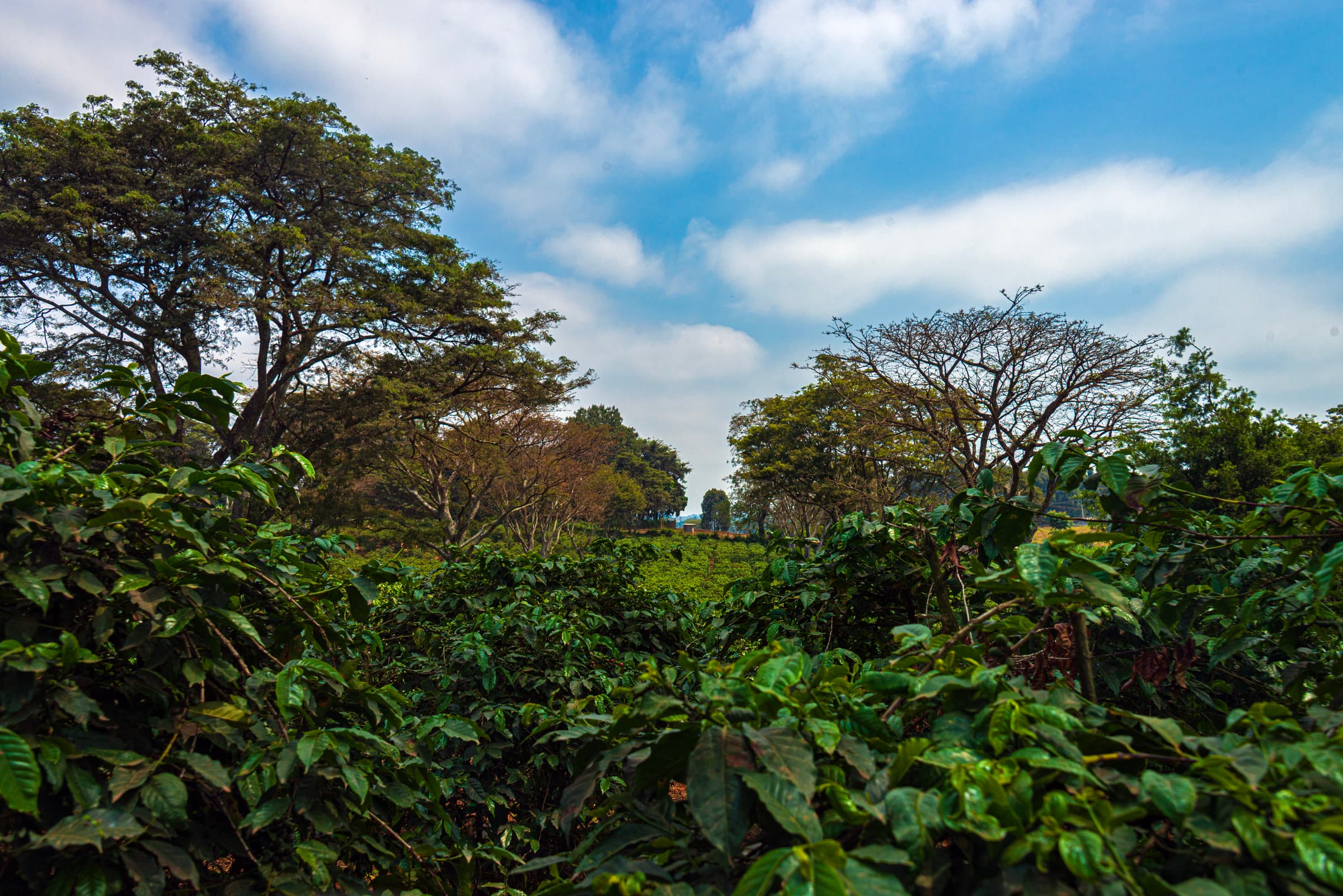
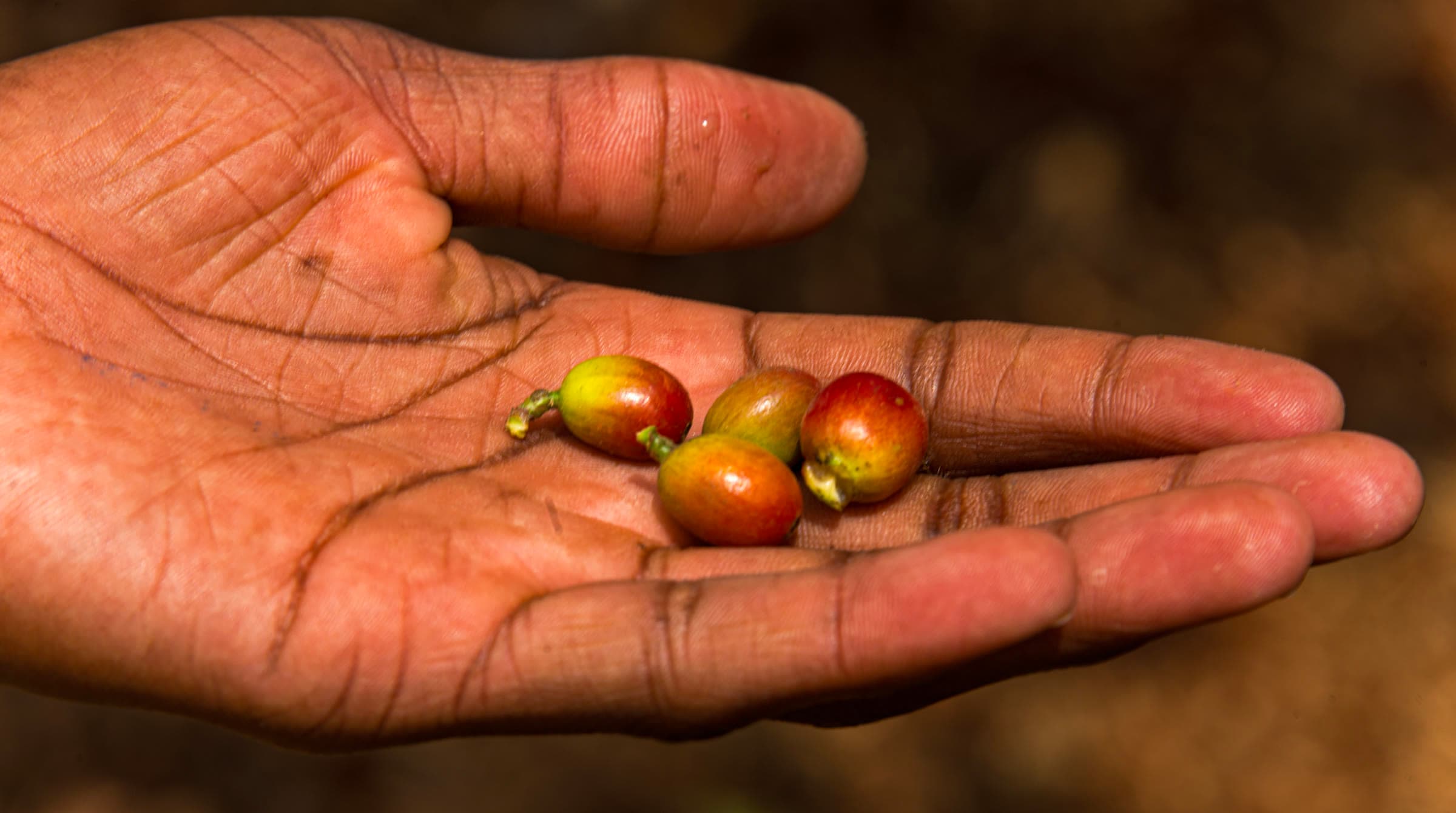
A coffee cherry has an outer skin and pulp, a sticky layer called mucilage, a papery parchment layer, a thin silver skin, and usually two seeds. Those seeds are what the trade calls beans. Roasting happens much later. First, producers must remove the surrounding fruit and reduce moisture so the seeds can be stored and moved without rapid deterioration.
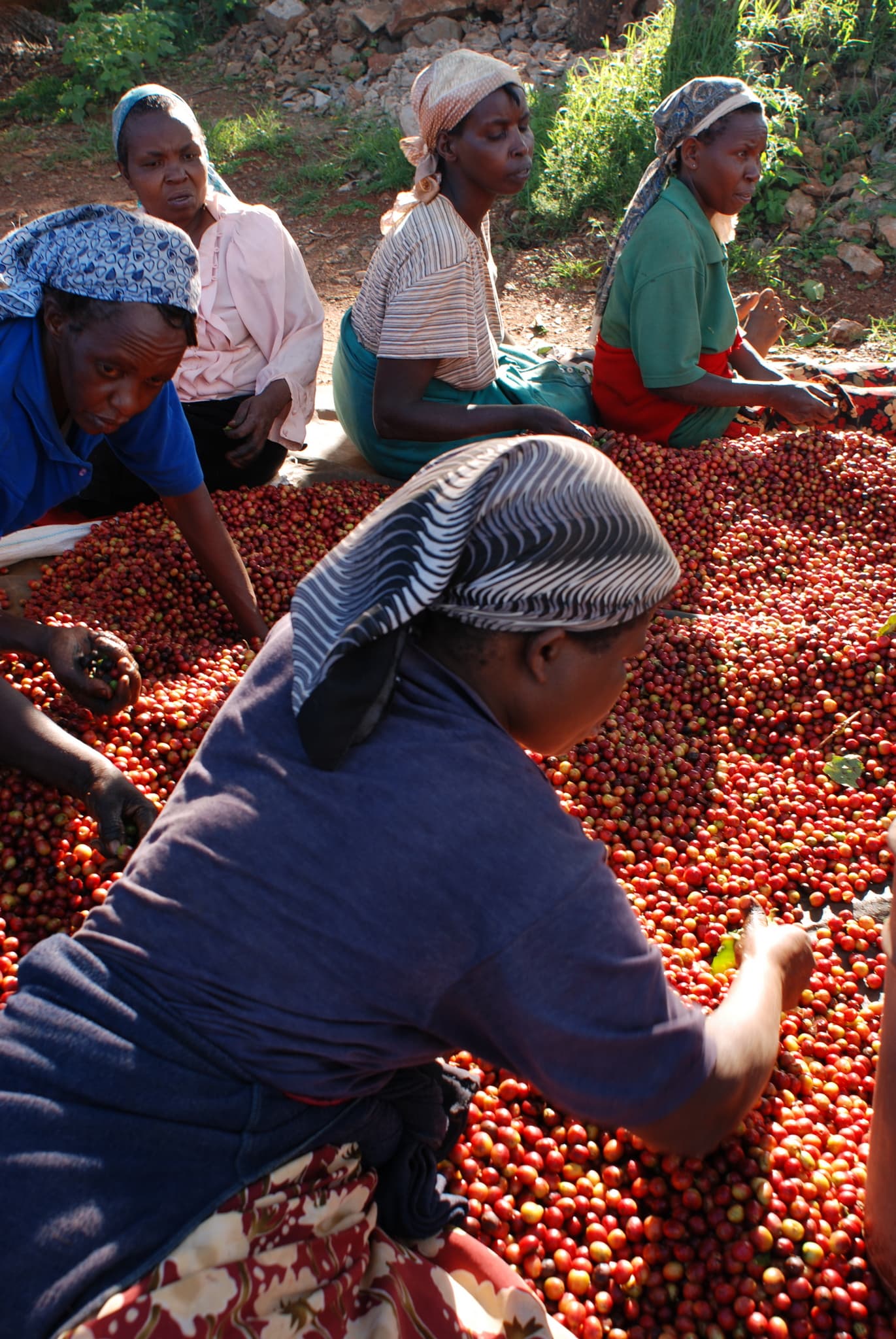
Selection begins at harvest. Ripe, unripe, damaged, and overripe cherries do not enter processing in the same condition. Sorting by hand, flotation, or both can separate part of that variation before pulping. The aim is not to make every cherry identical. It is to give the next stage a more consistent starting point.
This is why the phrase “washed coffee” should not suggest that water corrects everything that came before it. Water can carry, clean, and help separate material. It cannot make an unripe seed mature or restore fruit damaged before it reaches the pulper.
03 / THE WASHED SEQUENCE
Pulp, ferment, wash, sort, dry.
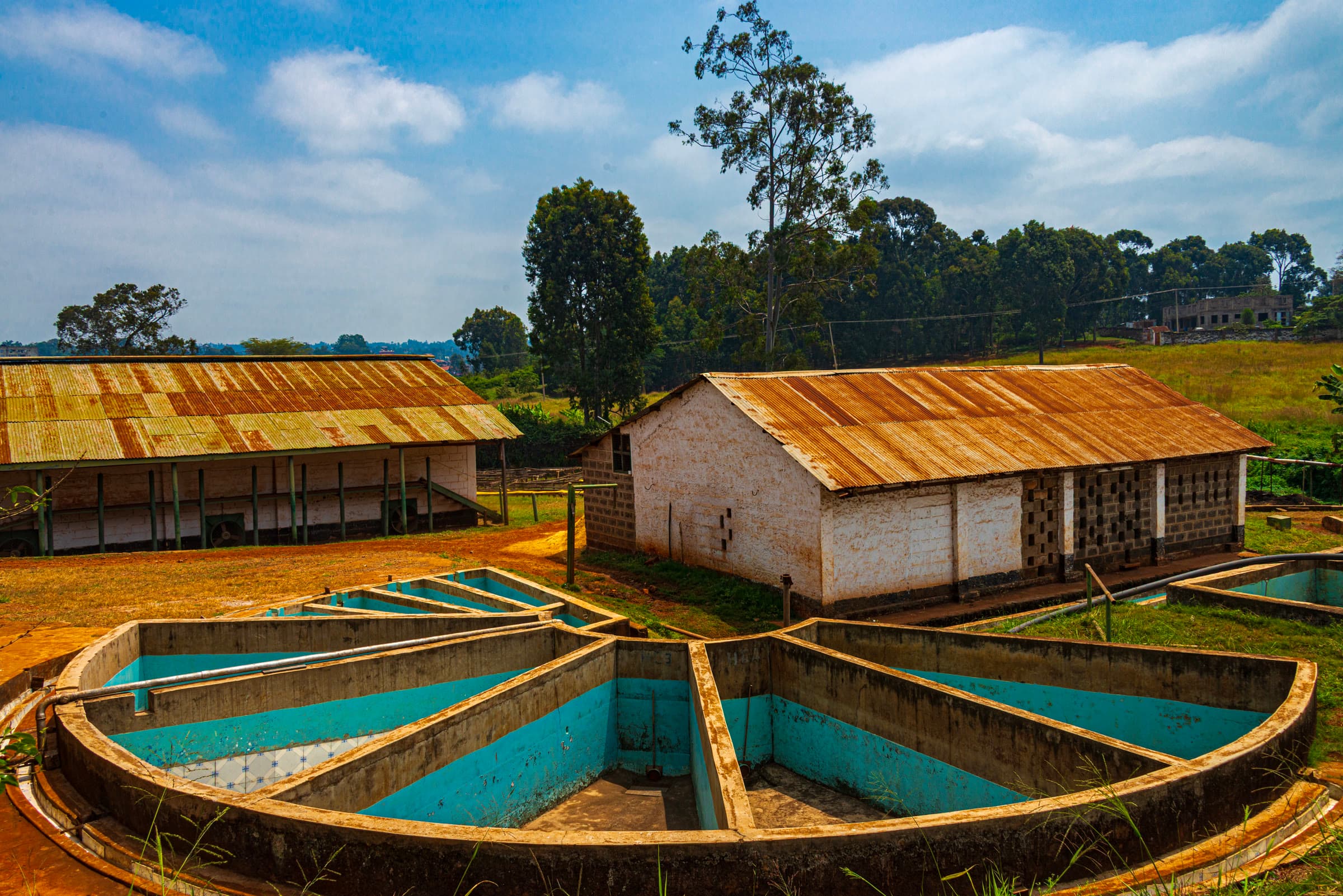
After initial selection, a pulper removes the outer skin and much of the flesh. The seeds remain inside parchment and are still coated with mucilage. In a classic wet process, the pulped coffee rests in a tank while naturally present microorganisms and enzymes help loosen that mucilage. Some systems remove it mechanically instead. Even within the category “washed,” equipment, water use, fermentation conditions, soaking, and timing can differ.
When the mucilage has loosened, the parchment coffee is washed. Channels can also help sort it by density as water carries lighter material differently from denser coffee. The result is not a finished green bean. It is wet parchment that must still be dried with care.
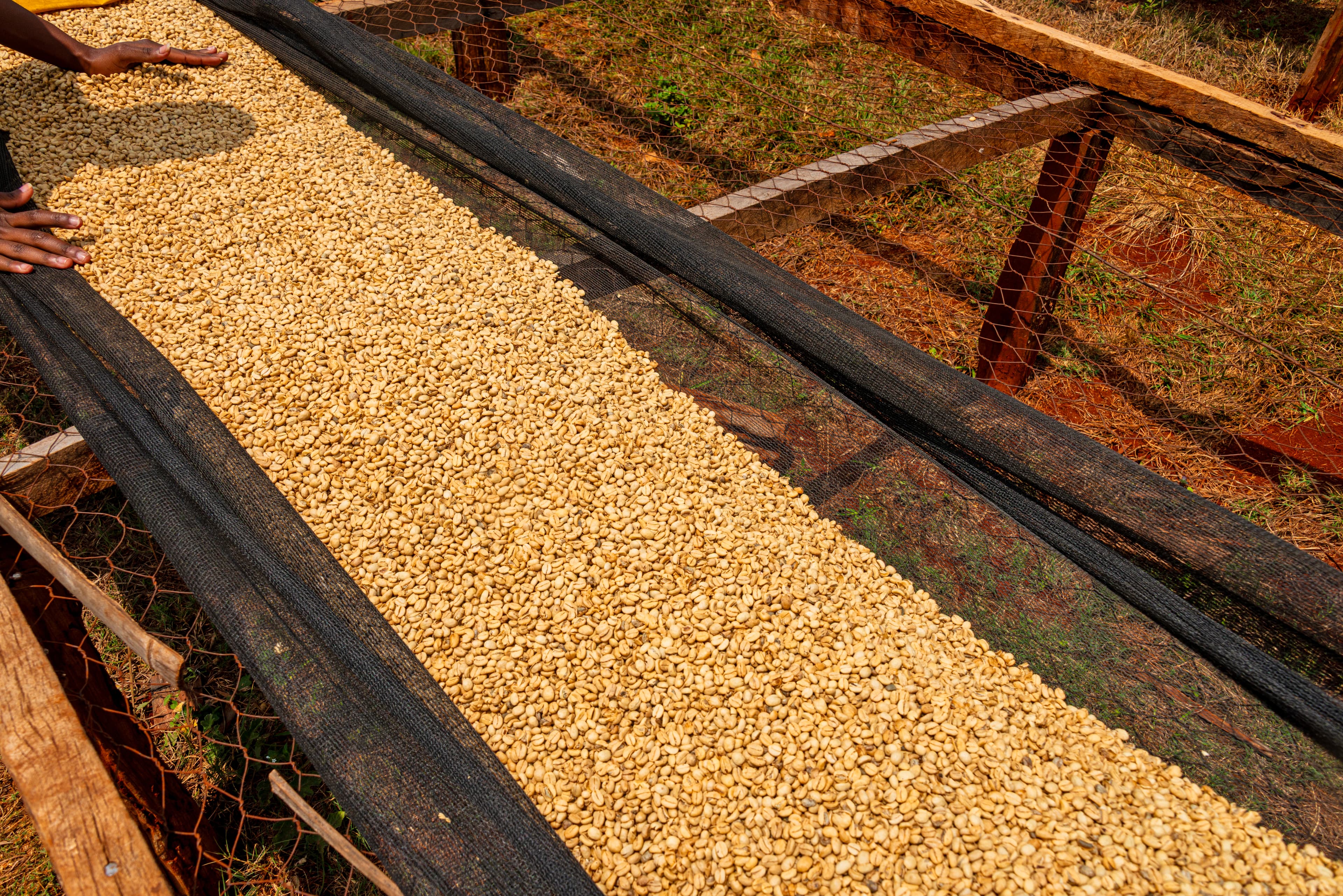
Drying may happen on raised racks, tables, patios, or mechanical systems. On open drying surfaces, coffee is spread, turned, protected from rain or harsh conditions, and monitored as its moisture falls. A raised bed improves airflow and access, but it does not do the work by itself. Layer depth, turning, weather, and the decision about when drying is complete still matter.
Fermentation also deserves more precision than the old idea that it is simply a countdown. Research summarized by the Specialty Coffee Association shows that microbial activity and the seed’s own metabolism both change during processing. Longer or shorter is not automatically better. Hygiene, temperature, oxygen, water, fruit condition, and the processing goal all shape what happens.
04 / KENYA CONTEXT
Why washing became closely associated with Kenya.
Kenya’s Agriculture and Food Authority describes wet processing as a prominent part of the country’s coffee system. Cooperative factories and estate facilities have long handled pulping, fermentation, washing, sorting, and drying. That infrastructure helped make the washed style familiar to buyers and drinkers far beyond Kenya.
Familiar, however, is not exclusive. The same official industry guidance also lists natural, honey, and newer fermentation approaches in Kenya. A country is not a process, and a process is not a national flavor. Washed coffee became an important way that Kenyan coffee entered the specialty market, not a rule that every Kenyan coffee must follow.
There is also an environmental dimension. Wet processing uses water and creates fruit-rich wastewater that must be managed. Good processing is therefore not only a sensory question. It involves water access, equipment maintenance, by-product handling, and decisions that affect the working site around the coffee.
05 / THREE VARIETY NAMES
SL28, SL34, and Ruiru 11 do not tell one story.
SL28 and SL34 carry the initials of Scott Agricultural Laboratories, where both were selected in Kenya during the 1930s. World Coffee Research describes SL28 as Bourbon-related and SL34 as Typica-related, a distinction clarified by modern genetic work. Their shared prefix records a research institution, not a shared genetic identity.
Ruiru 11 came later. It is a compact, composite F1 hybrid developed in Kenya and released in 1985. Its breeding history combines several parents. The work aimed to bring productivity and resistance to coffee berry disease together with useful cup quality. Calling all three simply “classic Kenyan varieties” hides different histories, plant forms, and agronomic roles.
A variety name can still be useful. It tells the reader something about plant material and, when accurate, creates a path into agricultural history. It should not be treated as a tasting-note generator. The same variety can meet different soils, weather, farming systems, harvest decisions, processing conditions, storage, and roasting.
06 / WHAT PROCESS CAN TELL YOU
Useful information, not a flavor guarantee.
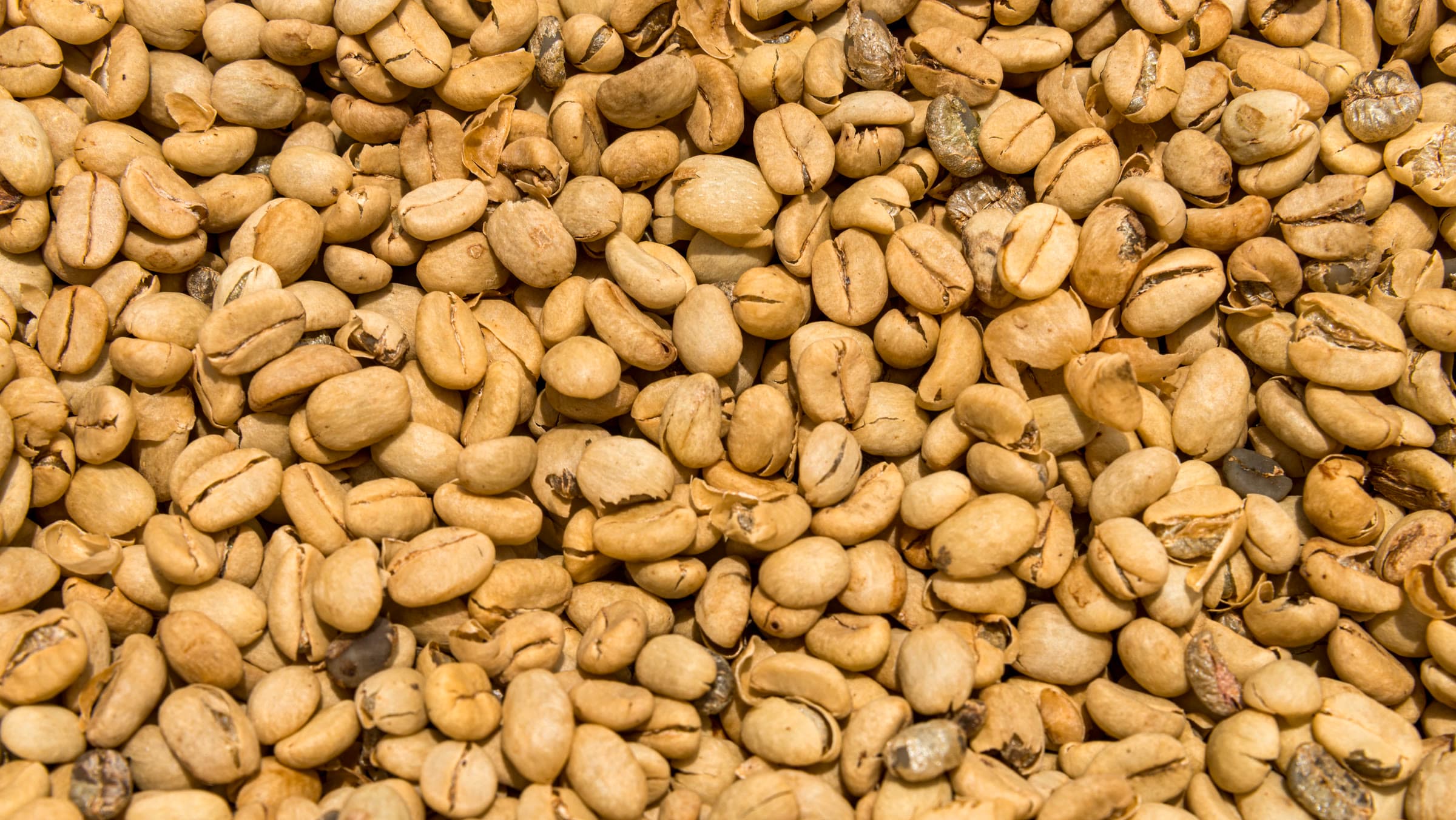
Washed tells you that the fruit skin and most mucilage were removed before drying. Natural tells you that the whole cherry dried around the seed. That difference changes the fermentation and drying environment, so it can influence chemistry and sensory character. It is meaningful information.
It is still one variable. Research on coffee quality repeatedly finds interaction among plant genetics, environment, maturity, post-harvest conditions, storage, roasting, and brewing. This is why washed coffees can differ widely from one another, and why a natural coffee is not automatically heavy, boozy, or intensely fruity.
The practical reading is simple: use process to ask better questions. How was fruit removed? How was fermentation managed? How was the coffee dried? Then keep the region, variety information, and the roaster’s own tasting references in view.
07 / READING RED CLAY
Plum Season is one composed profile.
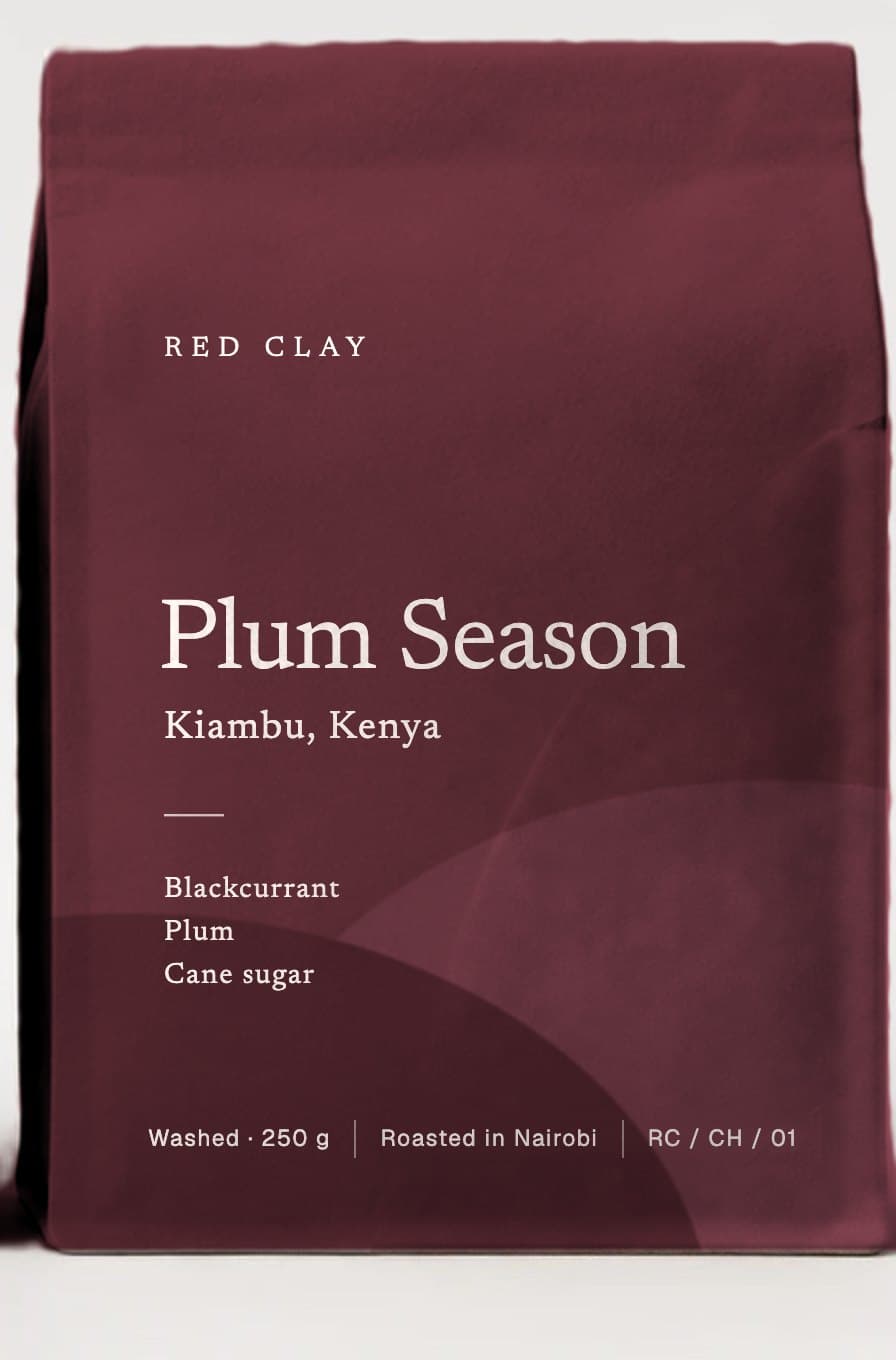
Within Red Clay’s product system, Plum Season, from Kiambu, brings this reading back to a specific choice: blackcurrant, plum, and cane-sugar sweetness in a bright, structured cup. Those notes describe the intended profile of this coffee. They are not offered as proof that Kiambu, SL varieties, or washed processing must taste that way.
Cane Light, from Kirinyaga, provides the useful check. It shares a country and broad process category, yet its profile moves toward red currant, hibiscus, and pomelo. Compare the two and the point becomes clear: washing can help explain how coffee was handled, but it never finishes the story on its own.