Origins · The Earthen Folio
Three highland regions. Three ways into the coffee.
A short monograph in three chapters. Each one places two coffees in a landscape, a process and a cup. The region names locate a coffee; they never stand in for its flavour.
 01 / 03
Central Kenya
Water, selection, and two bright Kenyan coffees.
- Place
- Cultivated coffee highlands around Kiambu and Kirinyaga.
- Process
- A long association with washed coffee, from ripe-cherry selection to drying.
- Cup
- Compare structured Plum Season with the more floral, citrus-led Cane Light.
Two regions within the central highlands.
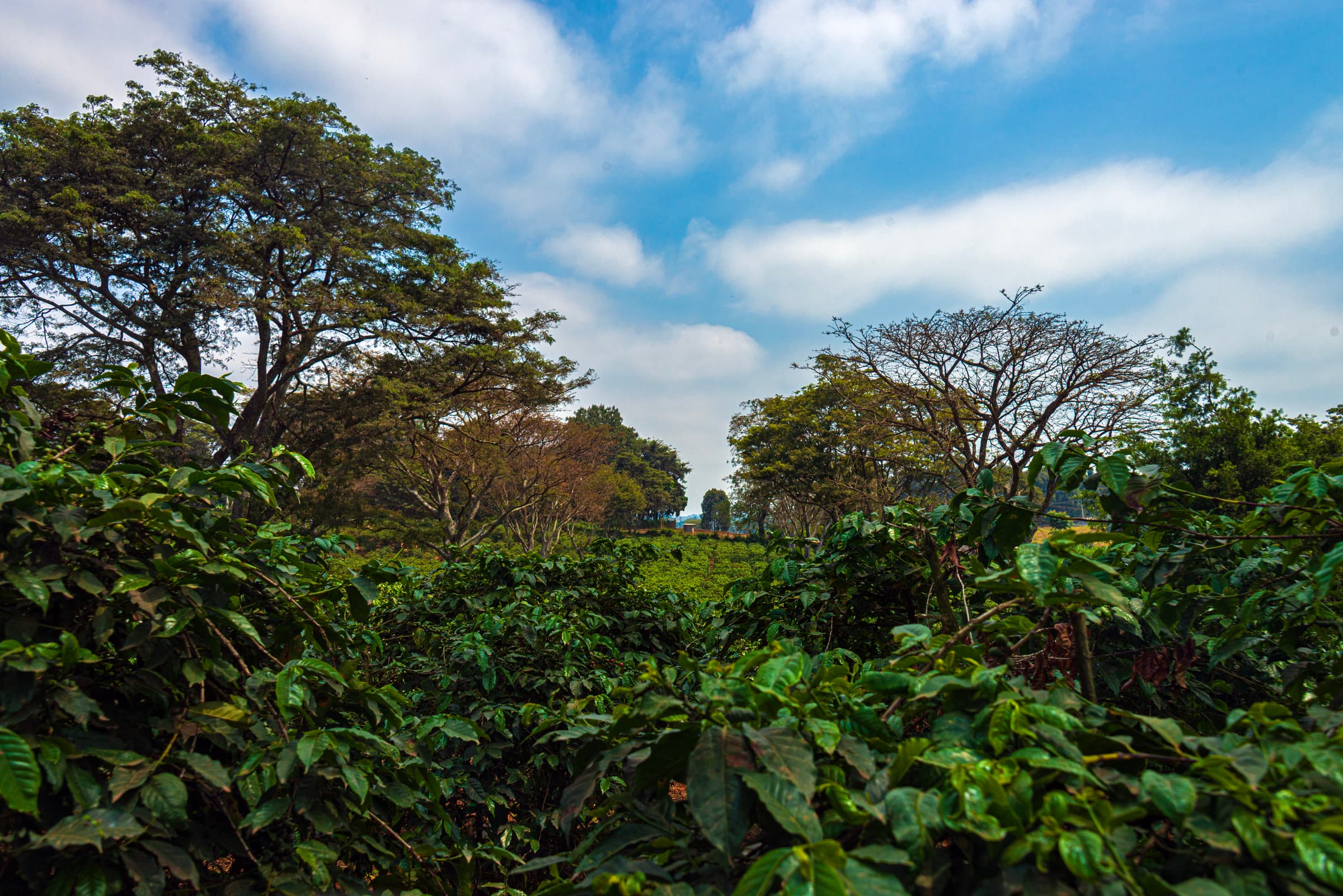
Kiambu and Kirinyaga sit within Kenya’s central coffee-growing highlands. Farms and cooperative factories vary in scale, but coffee moves through an agricultural landscape shaped by cultivation, selective picking, and primary processing close to where the cherries are grown.
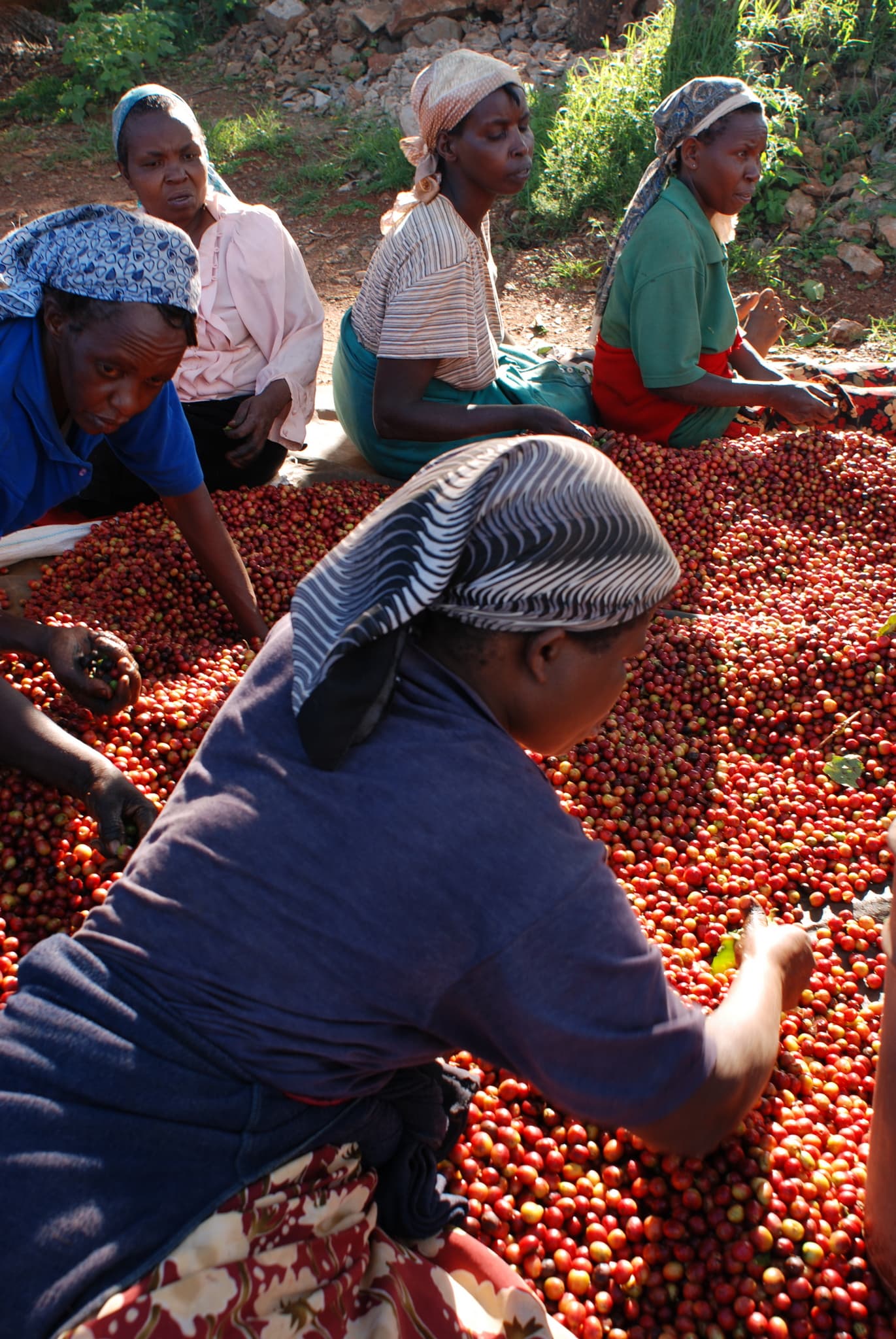
Selection continues after picking.
Clarity begins before water reaches a tank. Picking maturity, removing damaged fruit, monitoring fermentation, washing evenly, and controlling the drying layer all affect the condition of the green coffee. Each stage calls for observation and adjustment rather than one fixed recipe.
Two coffees from this chapter


 02 / 03
Kayanza / Burundi
Steep hills, shared stations, and careful drying.
- Place
- Coffee-growing hills in northern Burundi, read as a vertical landscape.
- Process
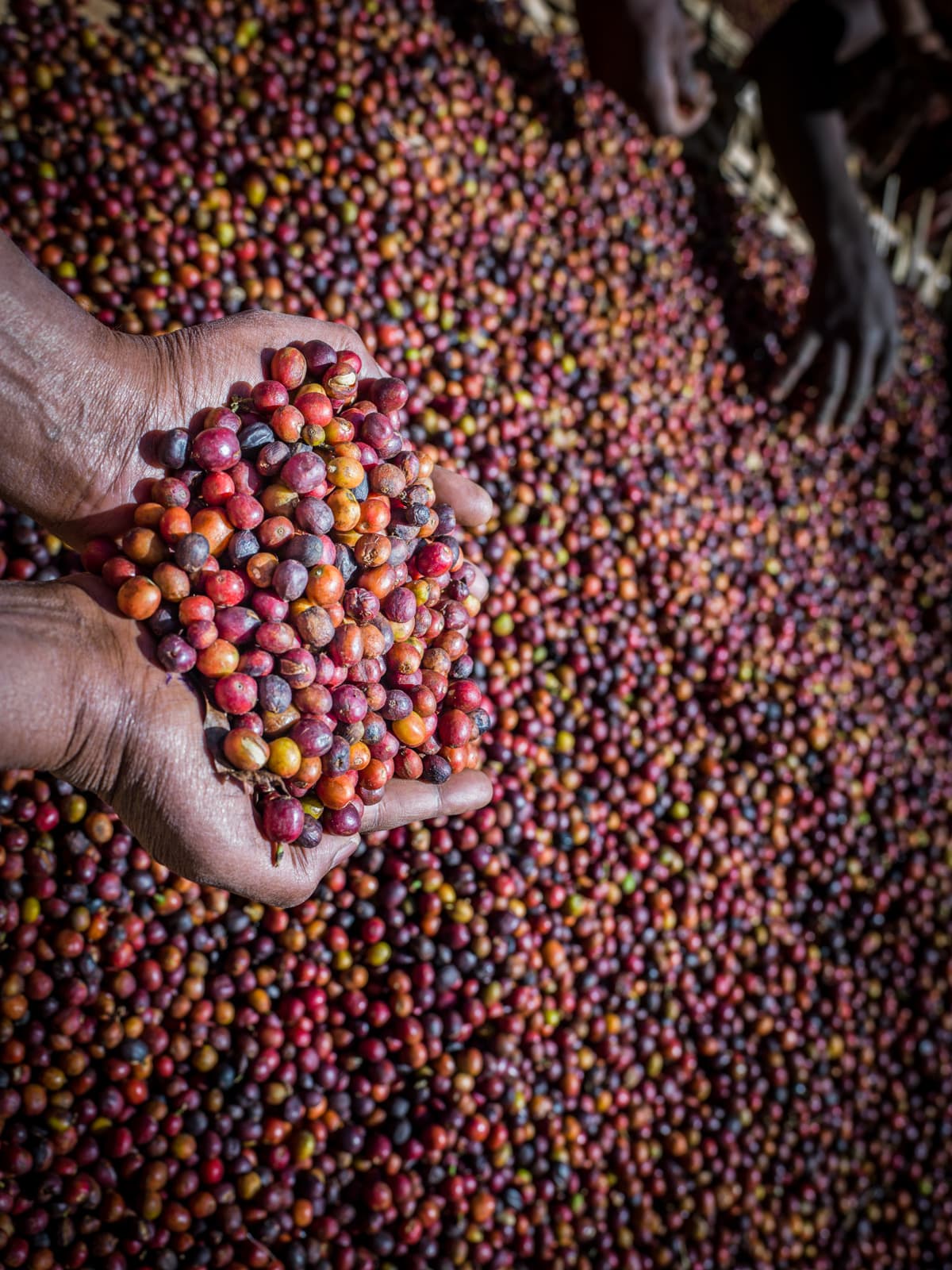
- Cherries move from many small plots to washing stations and drying tables.
- Cup
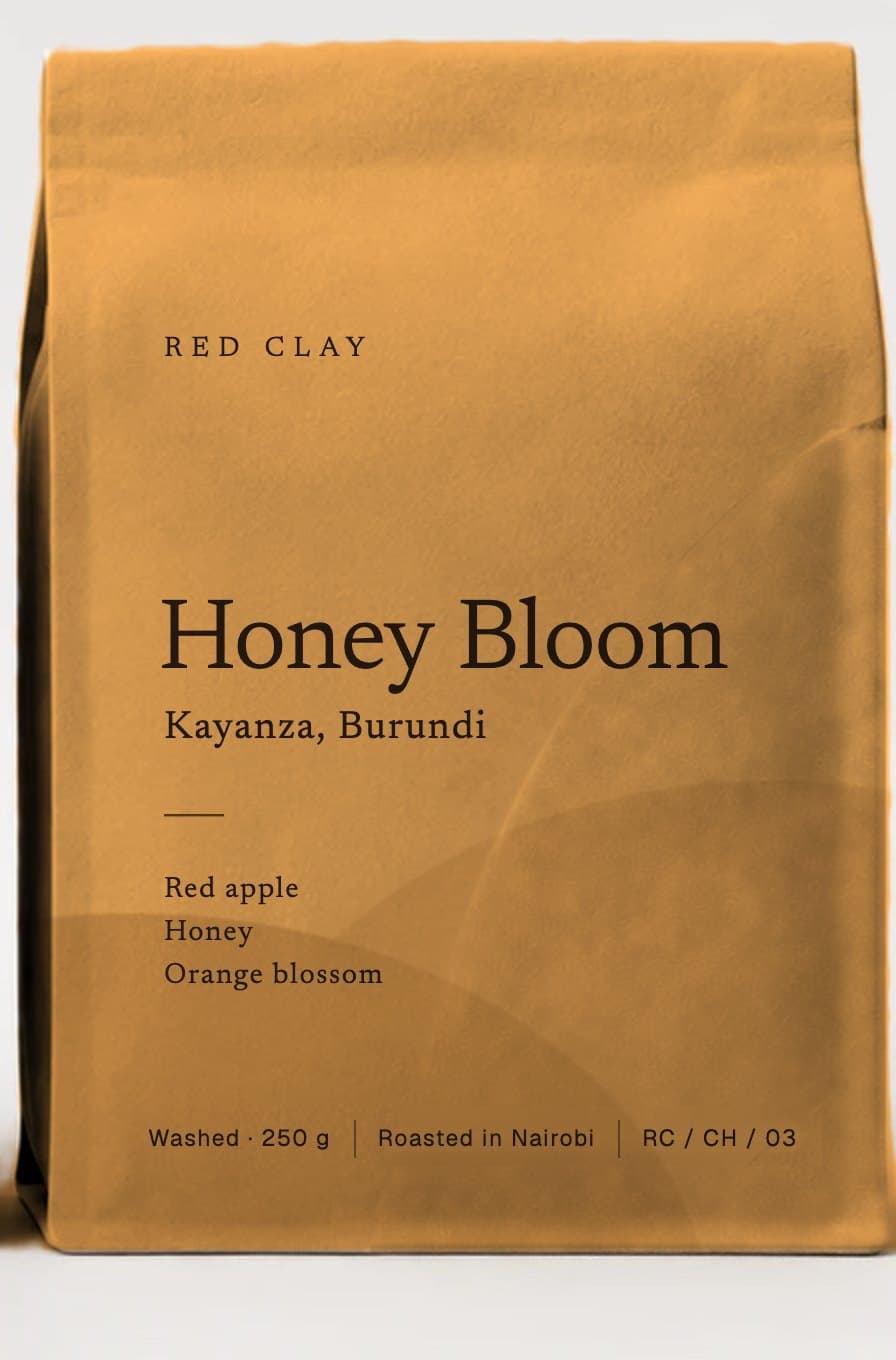
- Compare floral, honeyed Honey Bloom with the rounder natural Red Orchard.
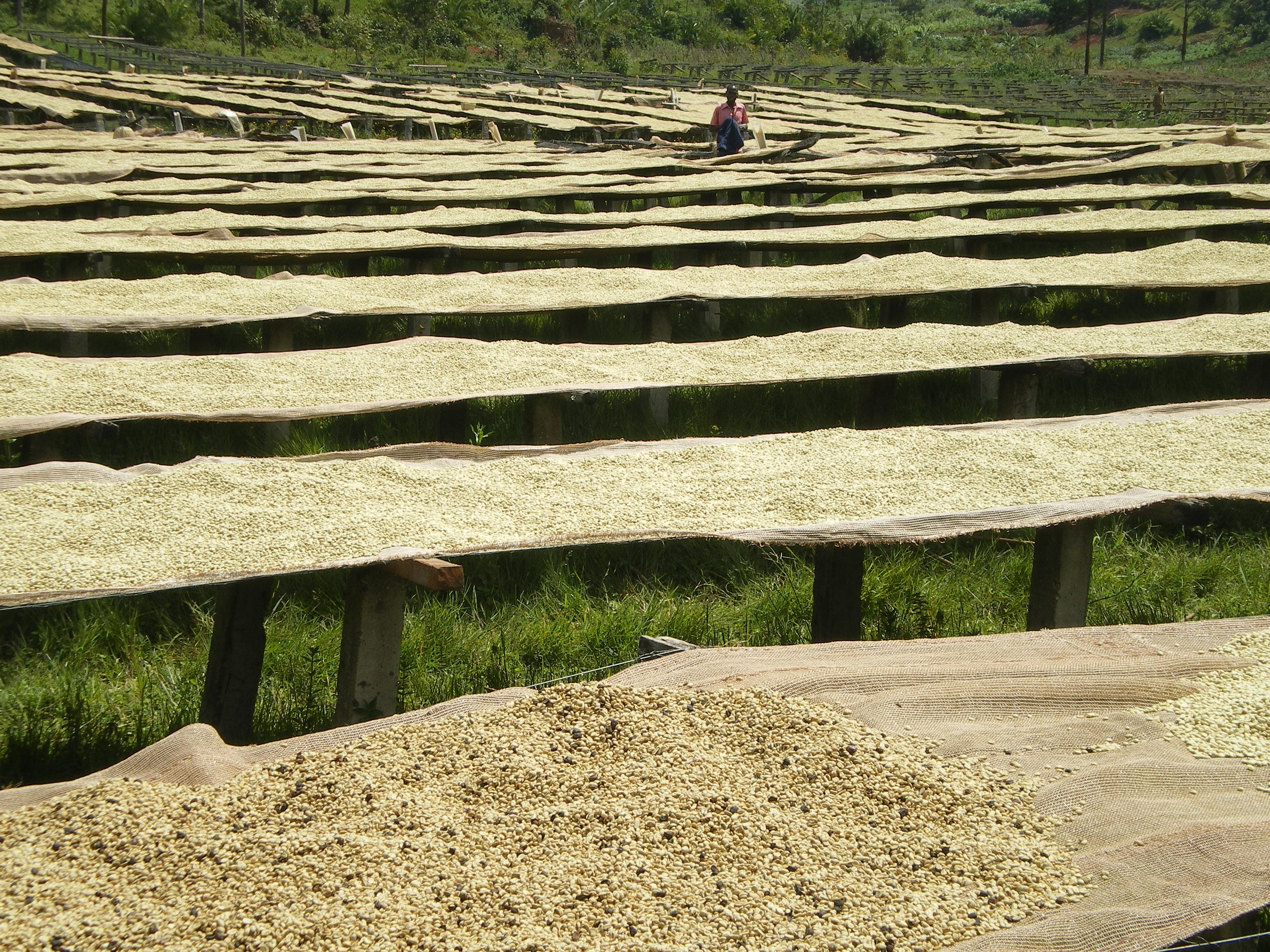
A hillside crop moving toward a shared station.
In Kayanza, coffee is grown across steep, densely cultivated hills. A farmer may tend a relatively small stand of trees, then deliver ripe cherry to a nearby washing station. That movement from dispersed plots to a shared processing site is central to how much Burundian coffee is organized.
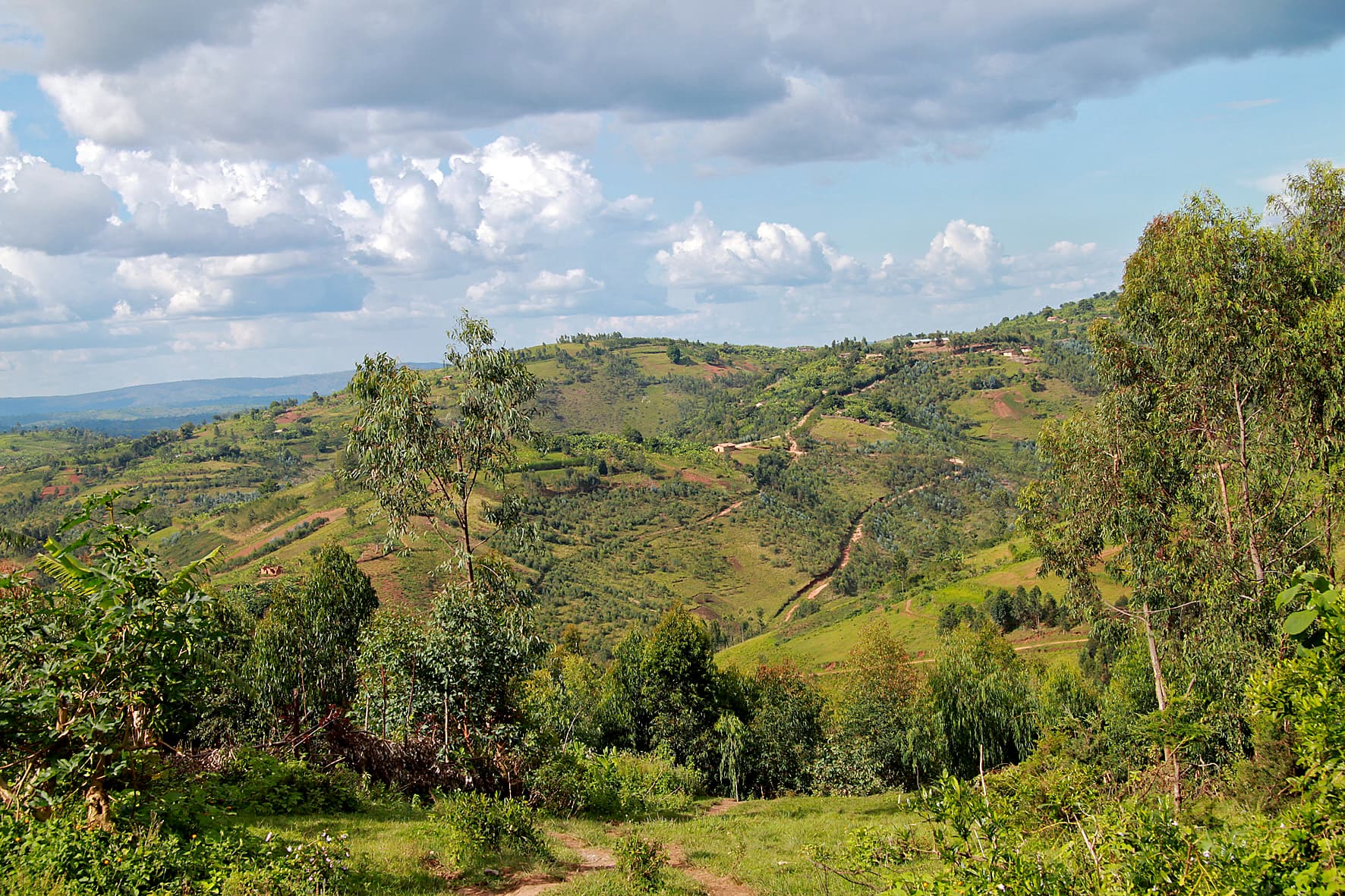
Drying is not a passive wait.
Raised beds and drying tables lift coffee away from the ground and allow air to move around it. They still require active work: controlling layer depth, turning coffee, covering it when conditions change, and removing defects. Sector records show raised-bed drying at individual Kayanza stations, but equipment and routines differ from station to station.
Two coffees from this chapter

 03 / 03
Southern Ethiopia
Two places, two processes, and no single shorthand.
- Place
- Sidama and Guji are distinct coffee geographies within southern Ethiopia.
- Process
- Washed and natural handling add another axis of difference.
- Cup
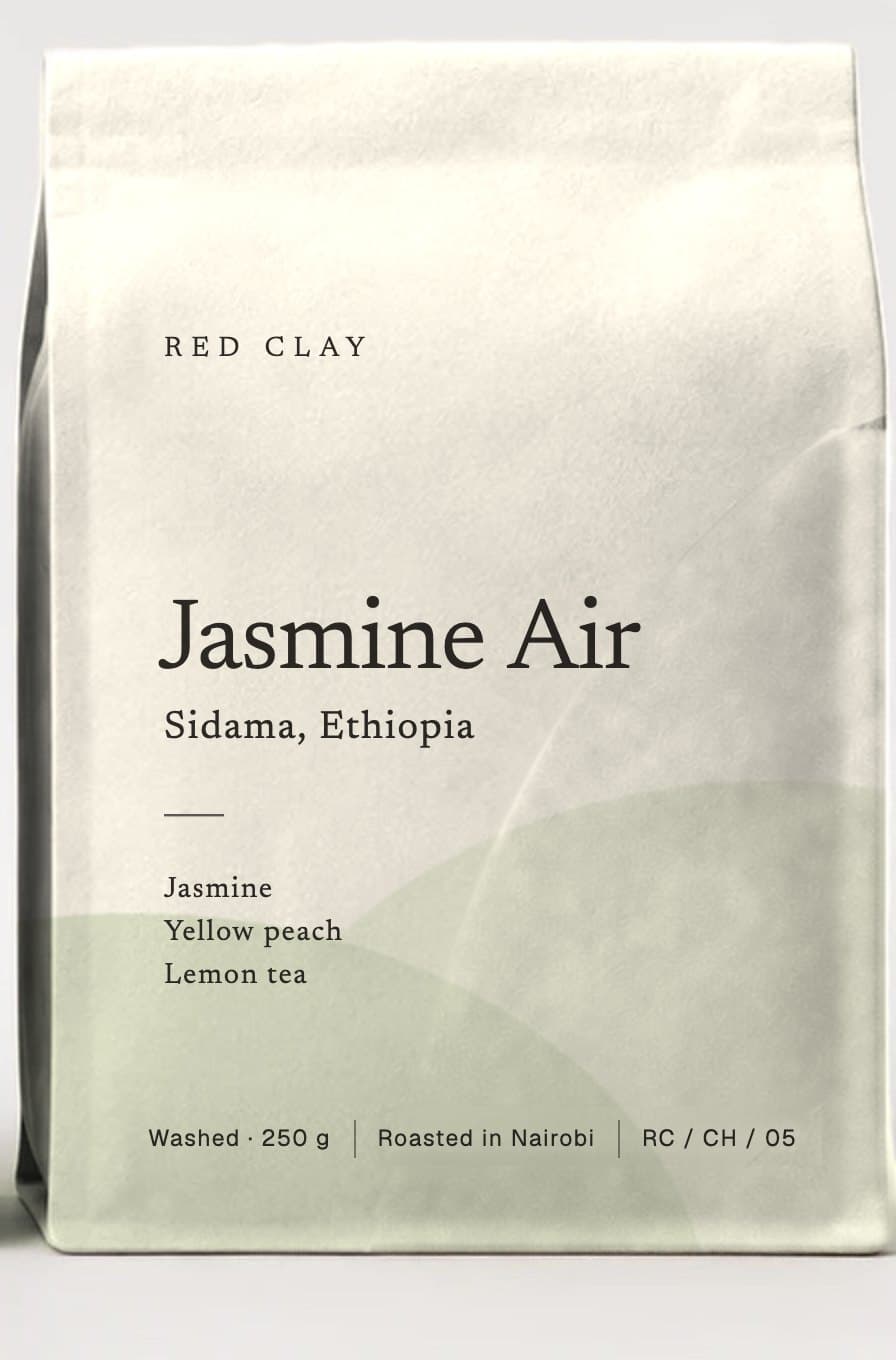
- Compare a floral, tea-like Jasmine Air with the rounder, fruit-driven Blue Hour.
Sidama and Guji are places, not flavor presets.
Sidama and Guji are separate geographic references, each containing many growing areas, farms, plant populations, and processing sites. Research collections from southern Ethiopia treat both as distinct sources of coffee germplasm. A region name is therefore useful orientation, but it is too broad to function as a complete sensory description.
Sorting is part of the product, not background scenery.
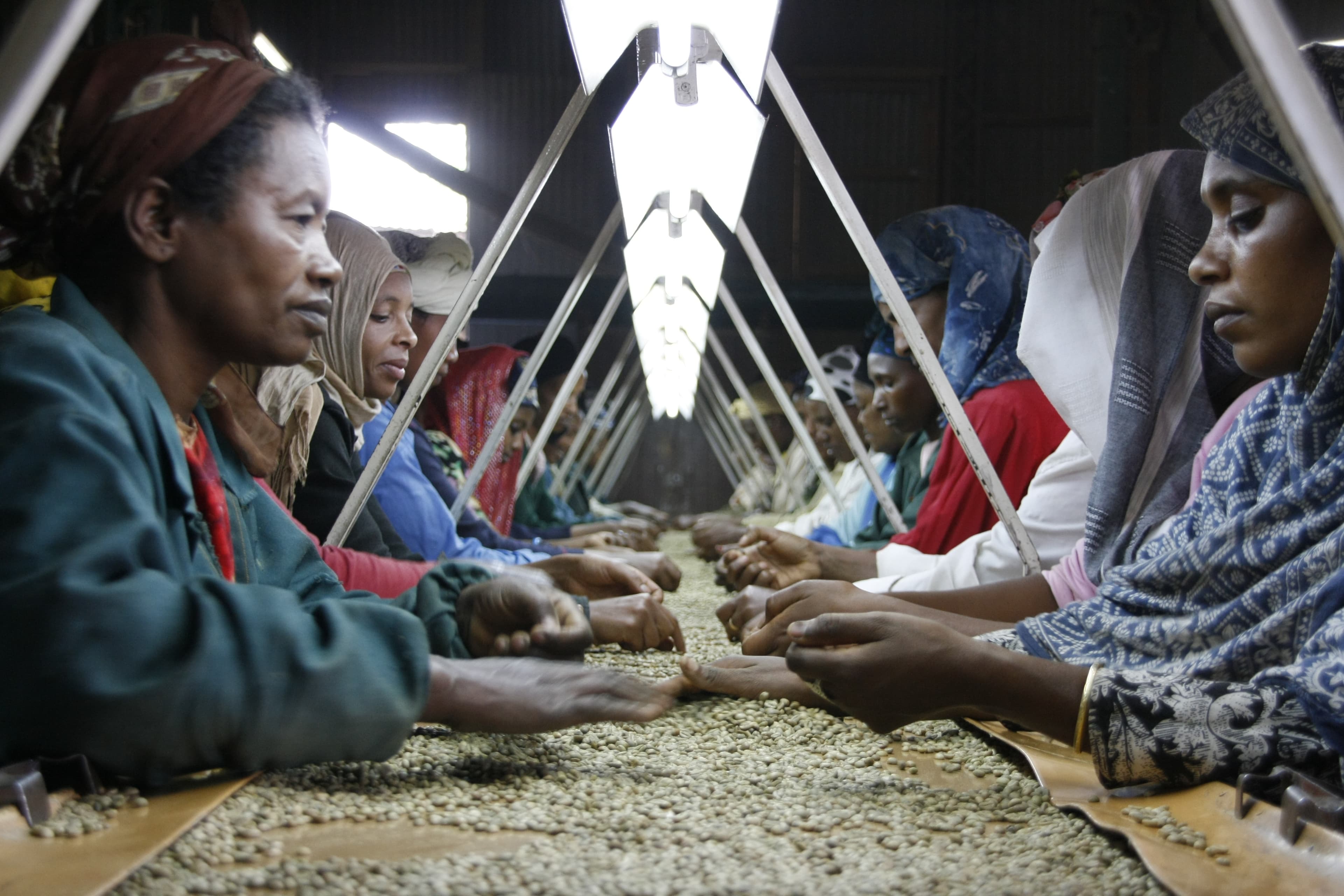
Sorting makes quality decisions visible. Workers separate coffee by ripeness, density, size, or visible defect at different points in the chain. The work can happen before and after drying, and it depends on people knowing which differences matter at each stage.
Two coffees from this chapter

After the Folio
Taste the three regions side by side.
Three Regions holds 100 g each of Plum Season, Honey Bloom and Jasmine Air. Taste the collection by place before choosing a full bag.