Central Kenya
Water, selection, and two bright Kenyan coffees.
- Dossier
- Country · Kenya
- Regions · Kiambu, Kirinyaga
- Process · Washed
- Coffees · Plum Season, Cane Light
Central Kenya is a useful place to see how variety, careful cherry selection, washed processing, and drying meet without reducing the cup to any one of them.
Two regions within the central highlands.
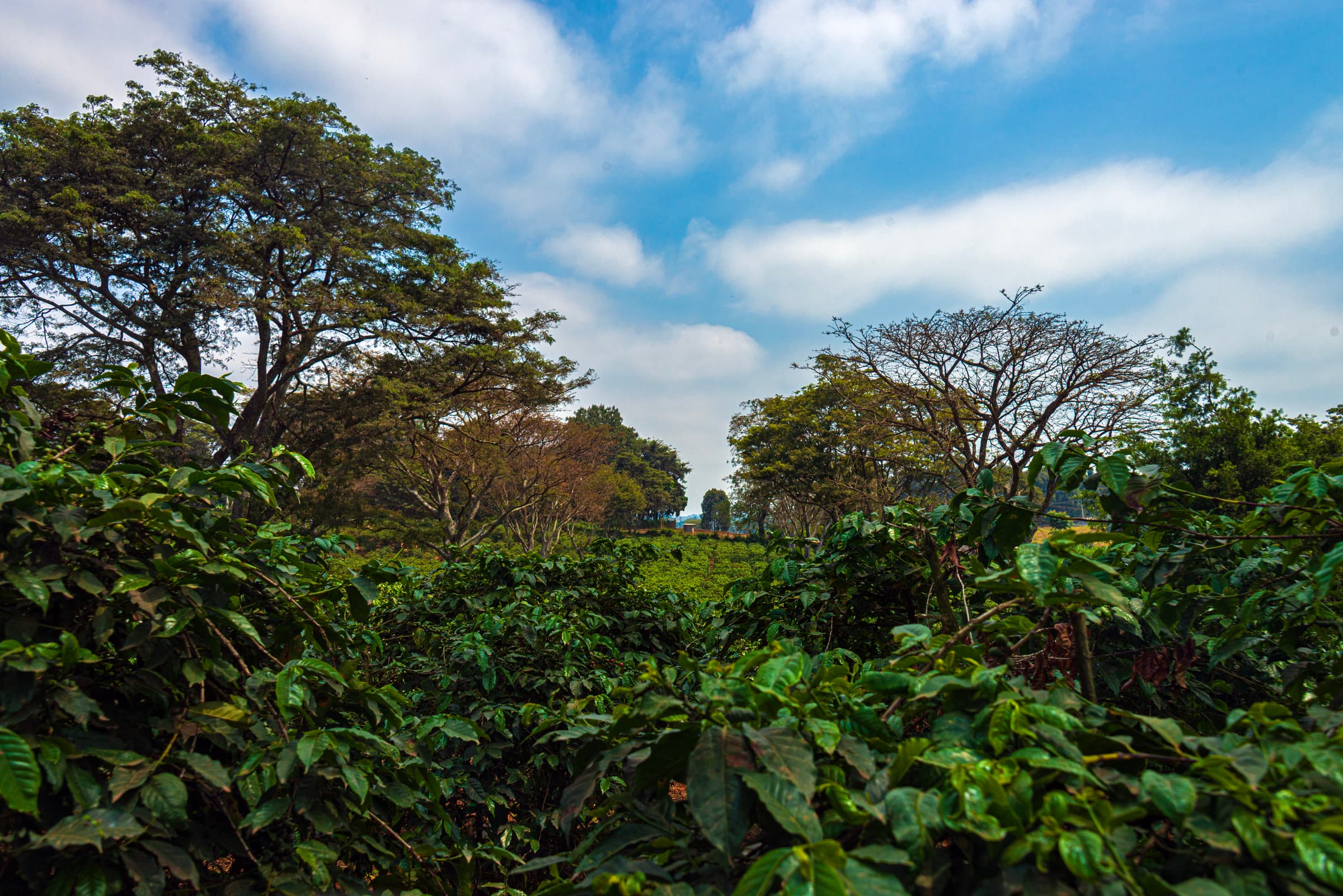
Kiambu and Kirinyaga sit within Kenya’s central coffee-growing highlands. Farms and cooperative factories vary in scale, but coffee moves through an agricultural landscape shaped by cultivation, selective picking, and primary processing close to where the cherries are grown.
Variety names carry history, not a flavor guarantee.
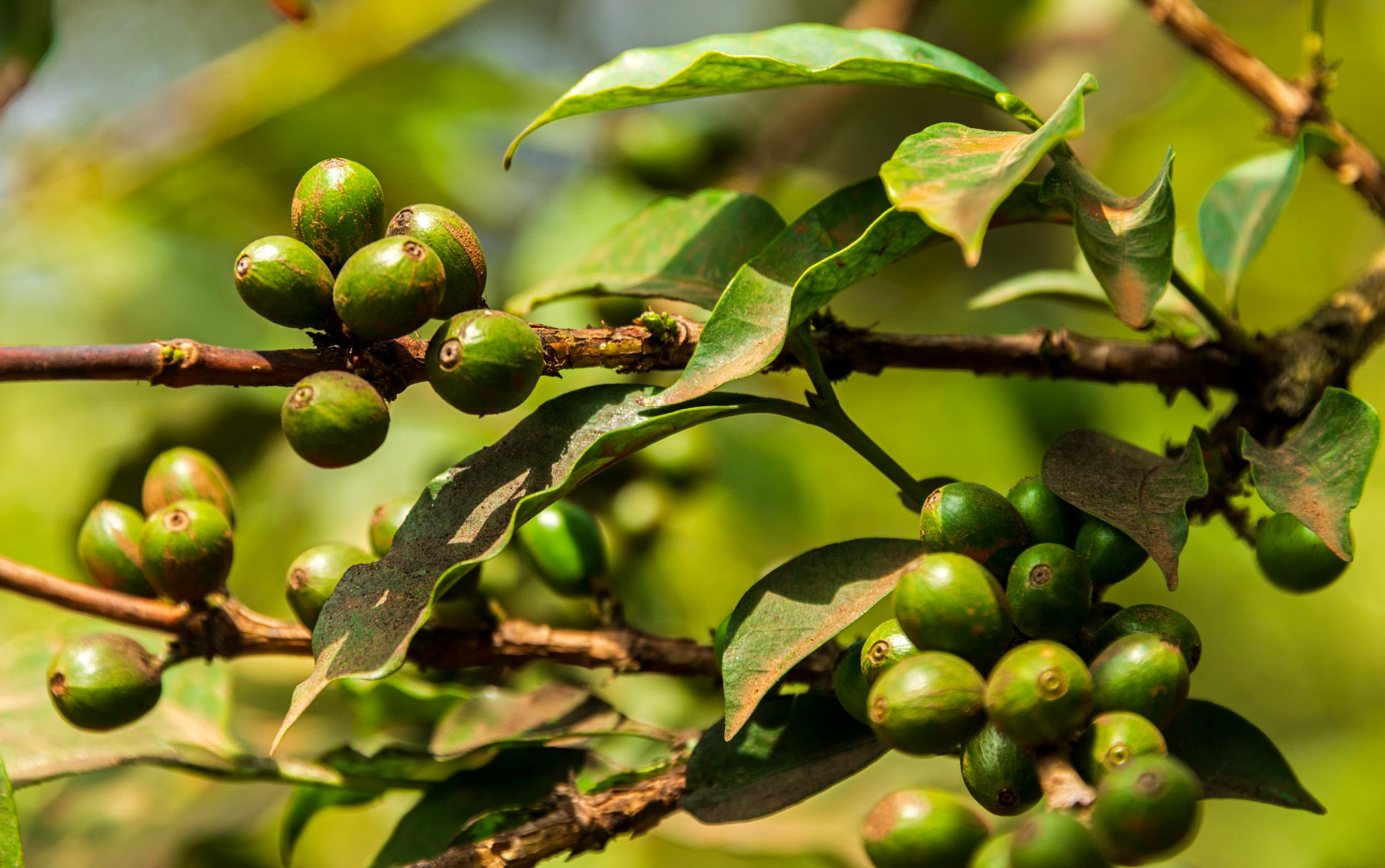
SL28 and SL34 were selected in Kenya in the 1930s. Ruiru 11, a compact composite hybrid released in 1985, was developed later for productivity and resistance to coffee berry disease. These names can help describe the plant material in a coffee, but they do not predict the finished cup on their own.
What happens in a washed sequence.
Five stages · cherry to dry parchment
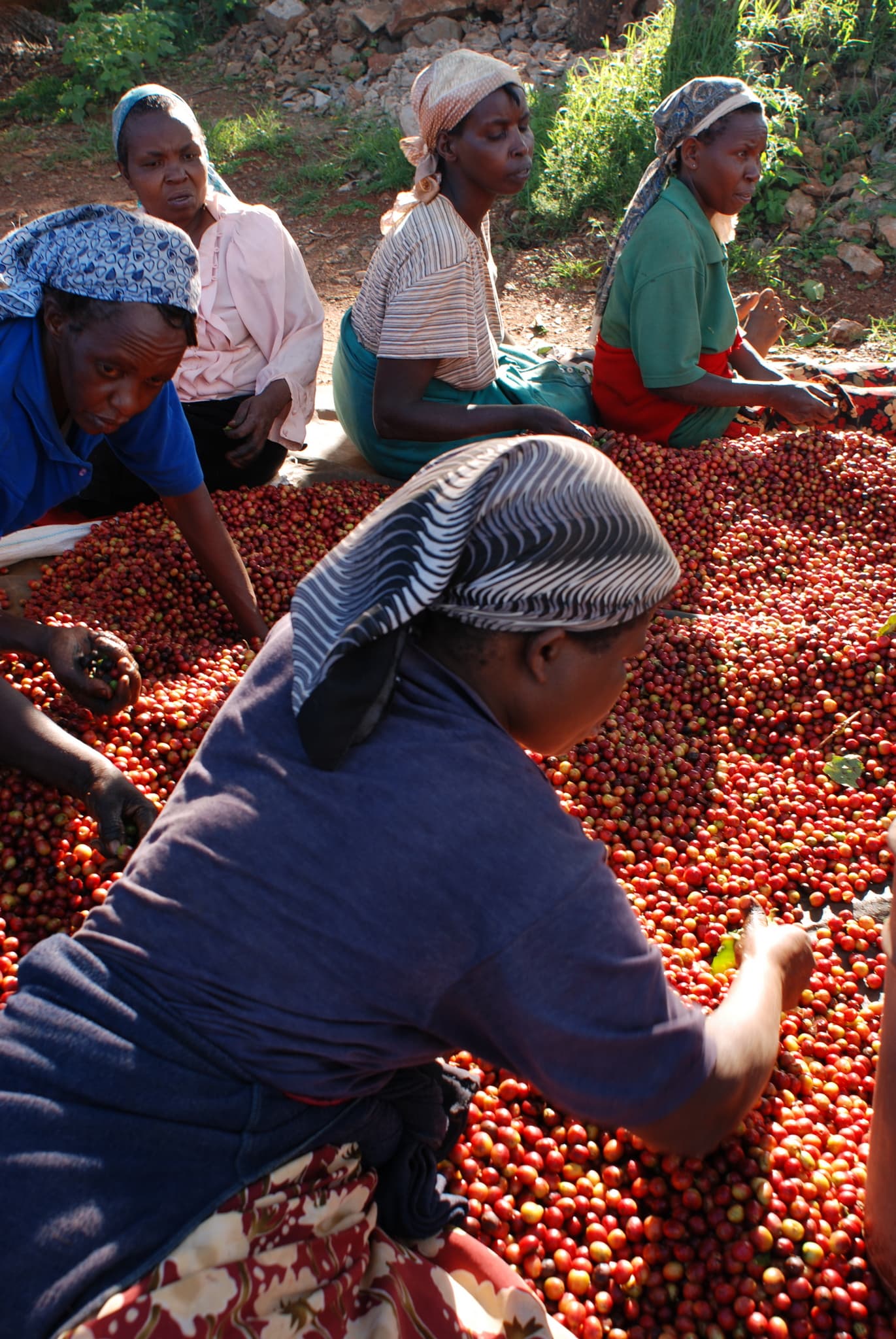
- 01SelectRipe cherries are sorted from unripe, damaged and overripe fruit, by hand, by flotation, or both.
- 02PulpA pulper removes the skin and much of the flesh. The seed stays in parchment, coated in mucilage.
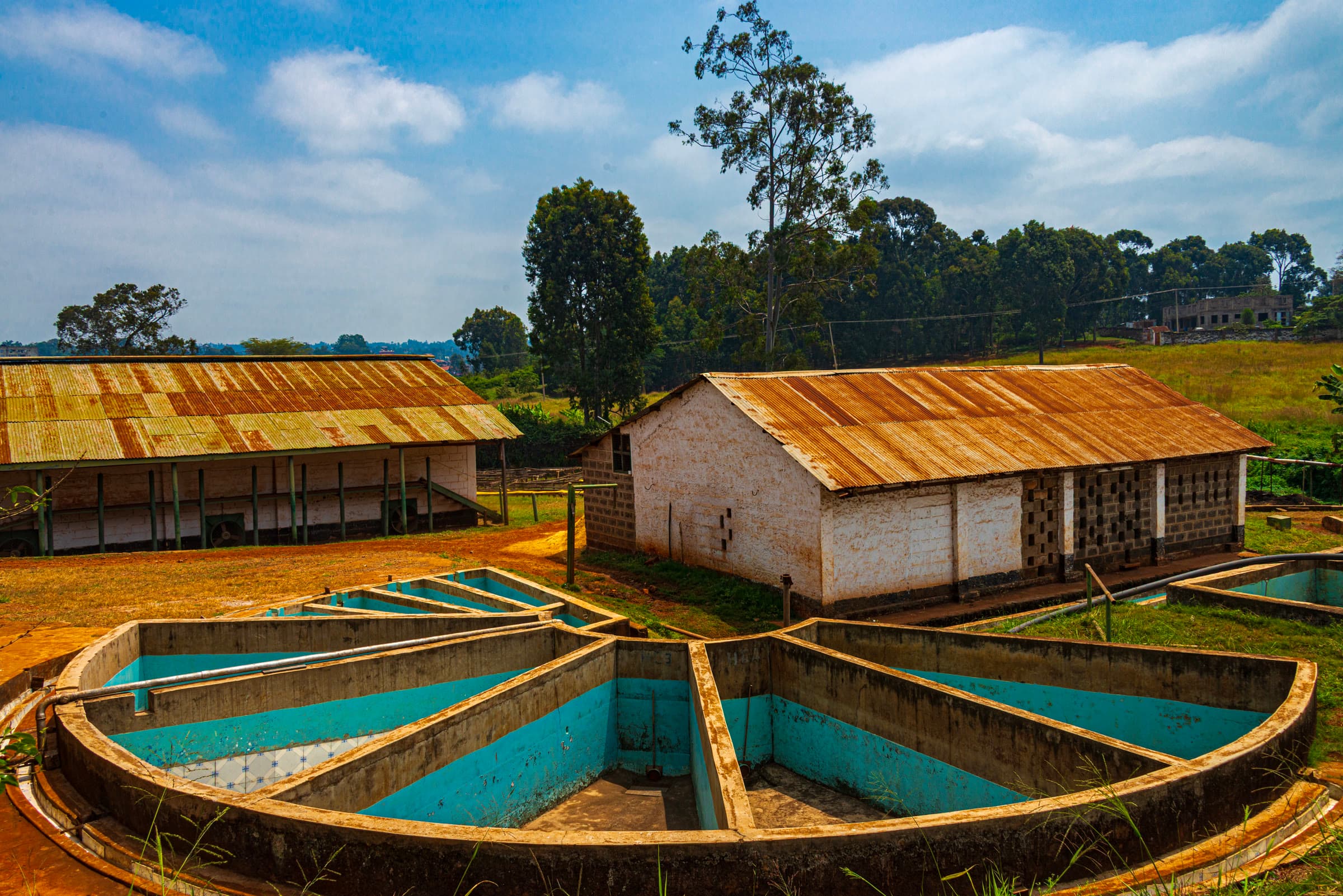
- 03FermentMicrobial activity or mechanical demucilaging loosens the mucilage. Timing and hygiene matter more than length.
- 04WashThe parchment is washed. Channels can also help separate coffee by density.
- 05DryOn raised racks, tables or patios: spread, turned, covered and watched until moisture is stable.
Kenya also produces natural and honey coffees, so “Kenyan” and “washed” are not interchangeable terms.
The work
Selection continues after picking.
Clarity begins before water reaches a tank. Picking maturity, removing damaged fruit, monitoring fermentation, washing evenly, and controlling the drying layer all affect the condition of the green coffee. Each stage calls for observation and adjustment rather than one fixed recipe.
Kiambu or Kirinyaga? Start with the contrast.
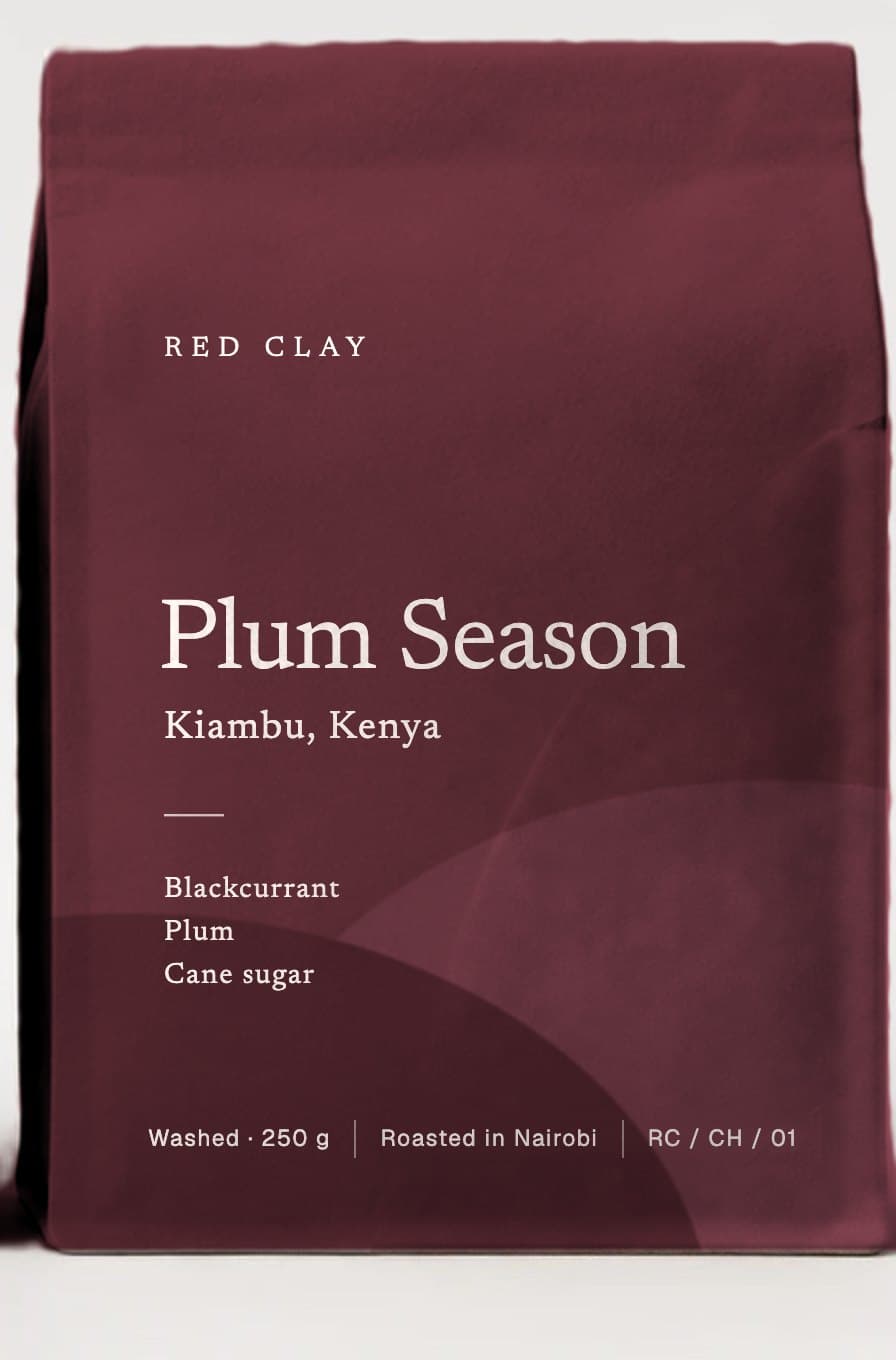
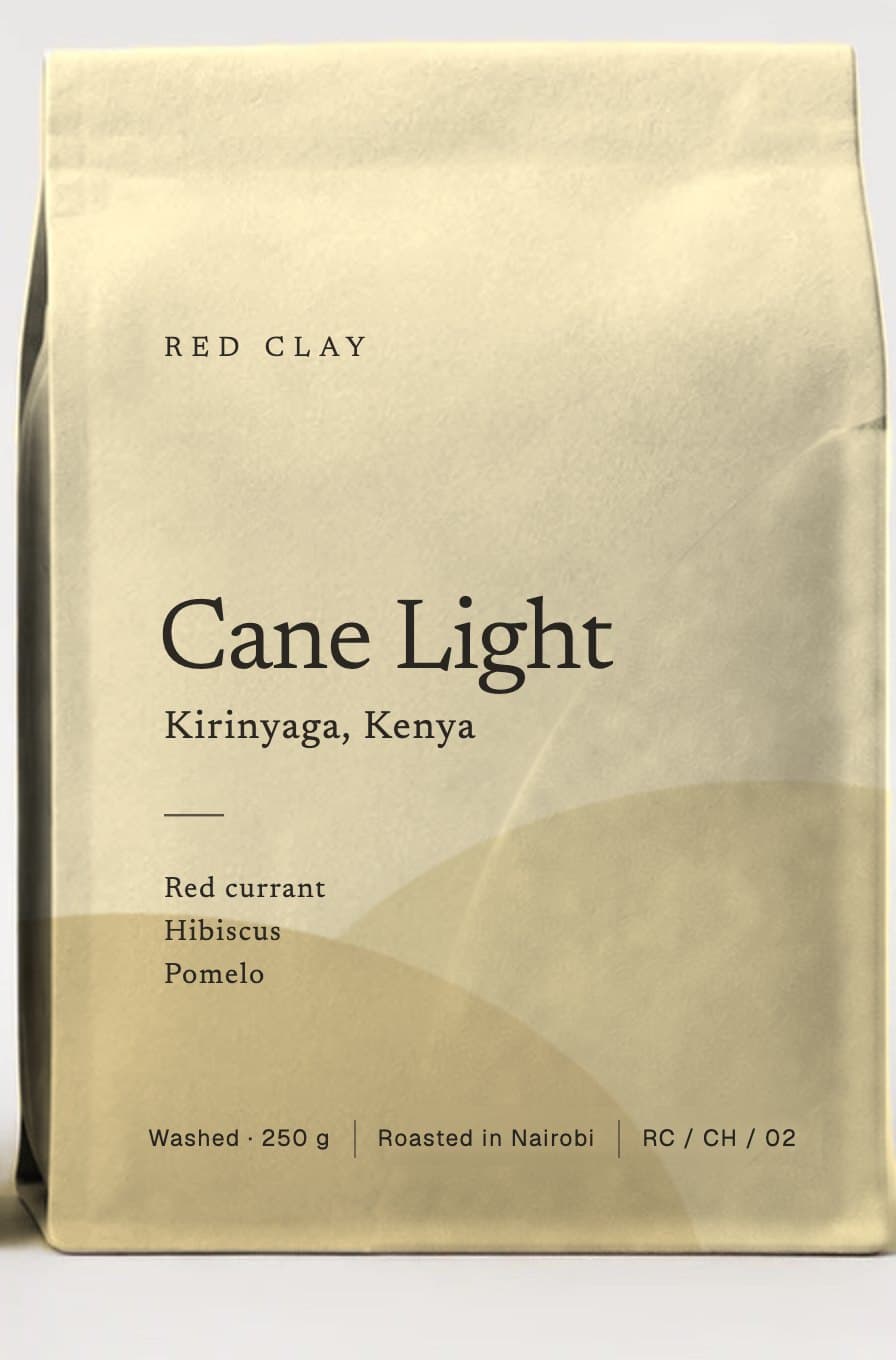
Keep these distinctions in view.
- 01Washed processing has a long and prominent place in Kenya, alongside natural, honey, and newer process methods.
- 02SL28 and SL34 were selected in Kenya in the 1930s; Ruiru 11 was released in 1985.
- 03Kiambu and Kirinyaga are distinct regional references; neither name describes all Kenyan coffee.
Edition 01 · Related readingWater & TimeFollow the washed sequence from coffee fruit to dry parchment, then meet three varieties that became important in Kenya.Read the Edition