“Heirloom” sounds specific, but on an Ethiopian coffee it can cover landraces, local selections, mixed plantings, or varieties shaped by formal research. The word opens a question; it does not answer it.
01 / THE CONVENIENT WORD
“Heirloom” is not a single coffee variety.
A bag of Ethiopian coffee often has a familiar pattern: region, process, elevation, then “heirloom” in the variety field. The layout makes the word look equivalent to a named variety such as SL28 or Bourbon. It is not.
In English-language specialty coffee, heirloom has often worked as broad shorthand for older or locally maintained Ethiopian plant material. The term has no single, stable botanical definition. Industry educators have also used it for forest coffee, traditional varieties, and even named varieties outside Ethiopia. That flexibility is exactly why the word is weak as precise identification.
The generous reading is that heirloom signals real complexity when exact genetic or local names are not available. The less useful reading is that all Ethiopian coffee belongs to one romantic, ancient category. A label can acknowledge uncertainty without turning uncertainty into a brand story.
02 / DIVERSITY UNDERNEATH IT
Ethiopia holds many kinds of Arabica diversity.
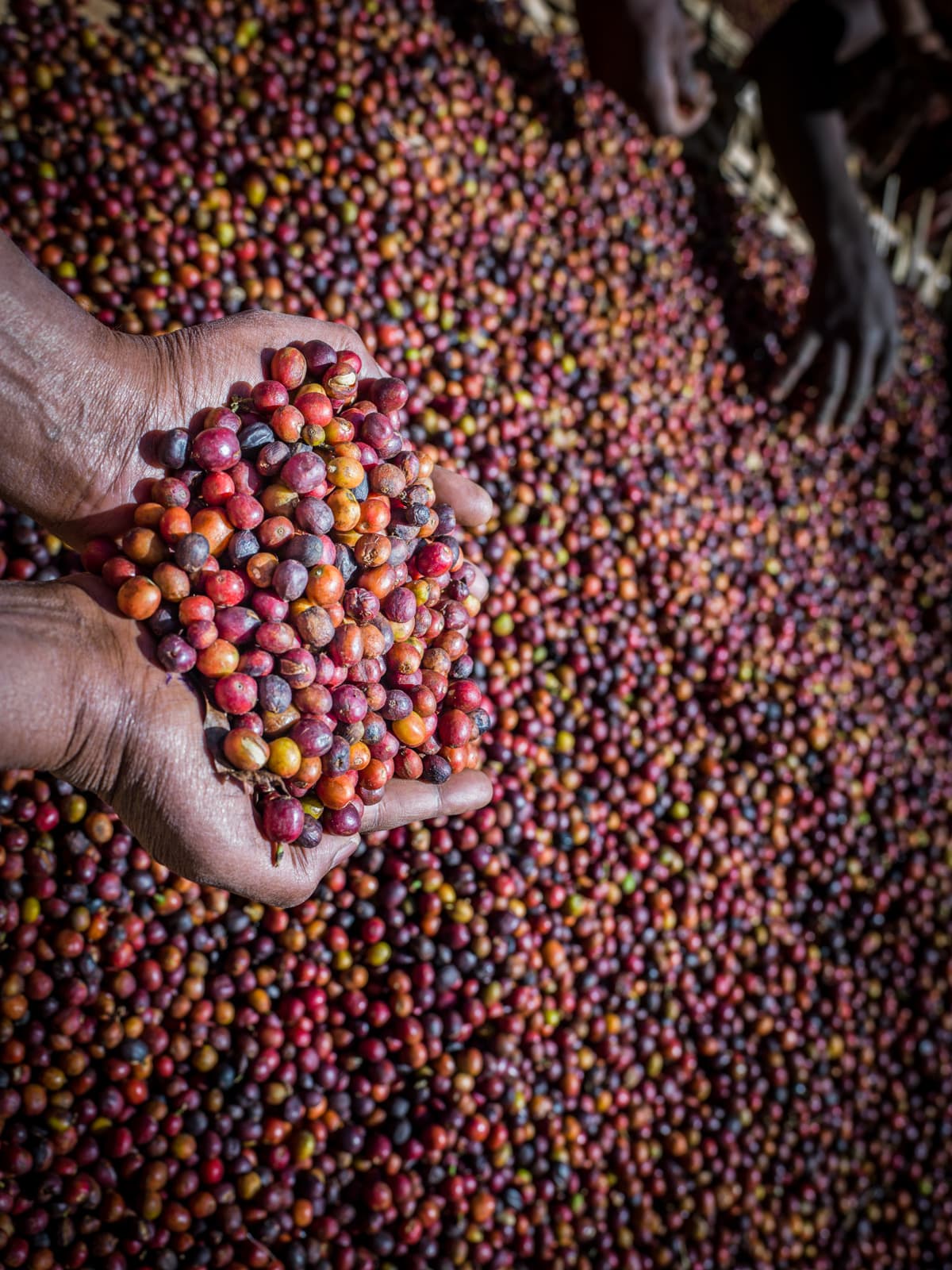
Ethiopia is a primary center of diversity for Coffea arabica. Research distinguishes wild or lightly managed forest populations, semi-forest coffee, garden systems, farmer-maintained landraces, local selections, and varieties released through formal breeding programs. These categories overlap in real landscapes, and plant material can move between them.
That diversity sits inside a species with an unusual history. Genomic research indicates that Arabica arose through a rare hybridization and polyploidization event, leaving the species with a narrower overall genetic base than many crops. Within Arabica, however, Ethiopian populations still hold important geographic structure and variation that is limited or absent from the small set of lineages spread widely through global cultivation.
Both statements can be true: Arabica as a species can have low genetic variation relative to other crops, while Ethiopia contains the species’ richest and most important reservoir of diversity. “Exceptionally diverse” needs that context. It does not mean every Ethiopian farm contains every type, or that each lot is genetically mixed in the same way.
03 / LANDRACES AND SELECTIONS
Local does not mean untouched by people.
A landrace is generally understood as a crop population maintained and shaped over time in a local farming system. Adaptation is part of the idea, but so is human selection. Farmers choose seed, keep plants that perform, exchange material, and name types through knowledge that may not match a formal genetic catalog.
A local selection begins when particular plants are chosen from a broader population for useful traits. A research selection applies more formal testing and distribution. Ethiopia’s coffee research institutions have collected, conserved, selected, and released varieties, including material chosen for disease resistance, yield, and quality. Those coffees are Ethiopian, but it would be inaccurate to call every one an unidentified heirloom.
The distinction matters because a catch-all word can hide agricultural knowledge. It can erase farmer names for plant types and obscure the work of Ethiopian breeders and genebanks. Precision is not about replacing one broad term with another. It is about using the most specific language the evidence allows.
04 / WHY NAMING IS DIFFICULT
A plant can have a local name, a research code, both, or neither.
Coffee variety identification can draw on farmer knowledge, plant shape, fruit and leaf traits, collection records, and genetic testing. Those sources do not always align. Two plants can look similar and have different genetic histories; one named type can contain more variation than a commercial label suggests.
Genebanks use the word accession for a collected sample held as a distinct entry. An accession is not automatically a commercial variety. It may be one plant, seed from a population, or material kept for future research. The large number of accessions conserved from Ethiopia demonstrates the scale of research material, not a count of consumer-ready variety names.
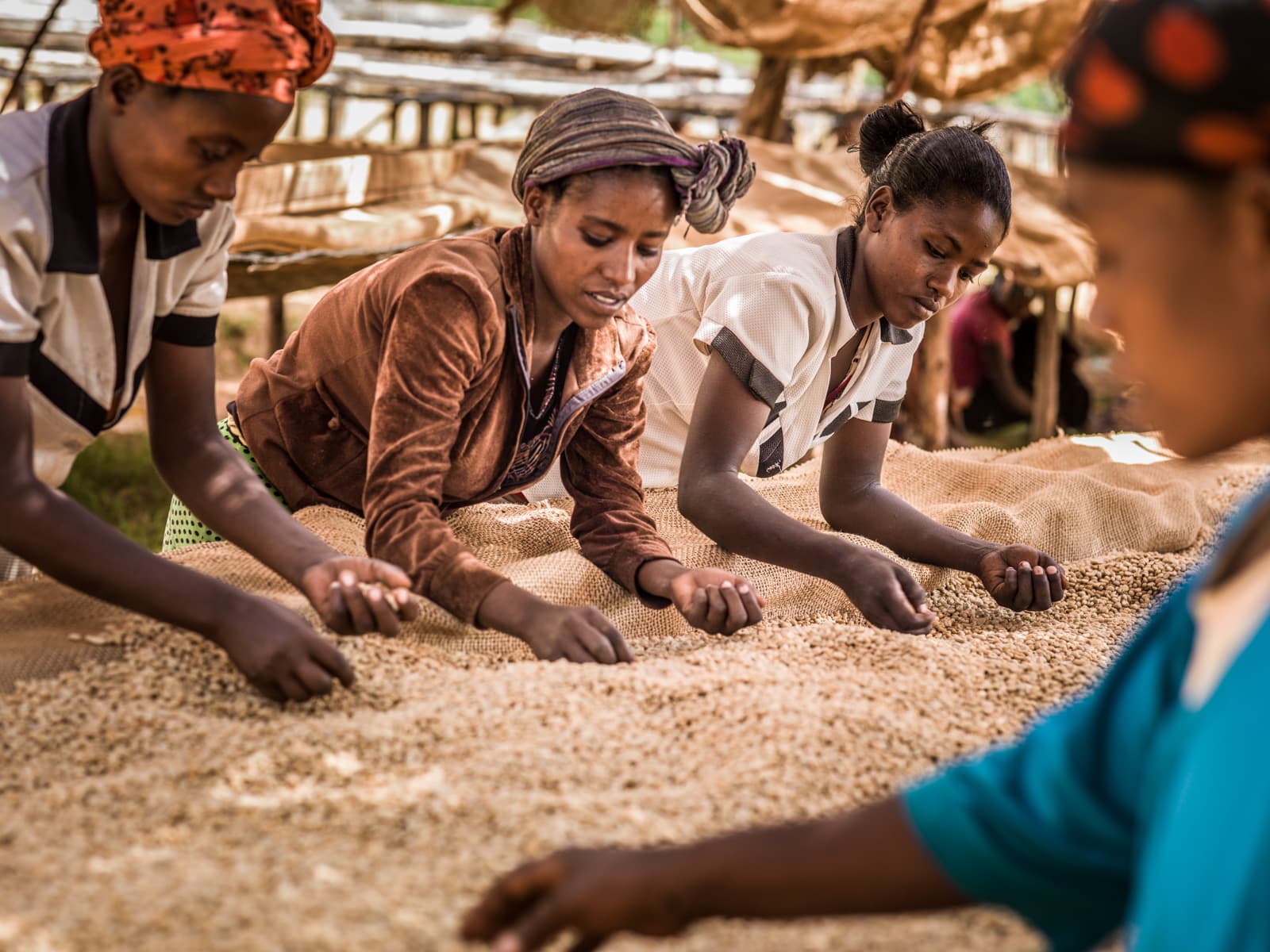
Mixtures add another layer. Coffee from several small plots may enter one station lot. A plot may contain more than one plant type. Unless the chain can identify and keep a specific variety separate, the honest label may remain broad. “Local landraces and selections” can be more informative than heirloom, but it is still a category, not a genetic result.
Good labeling therefore includes the limit of knowledge. “Variety not specified” is not a failure when the information is genuinely unavailable. False precision is worse because it turns an assumption into product fact.
05 / SIDAMA AND GUJI
Geography is useful, but it is not flavor shorthand.
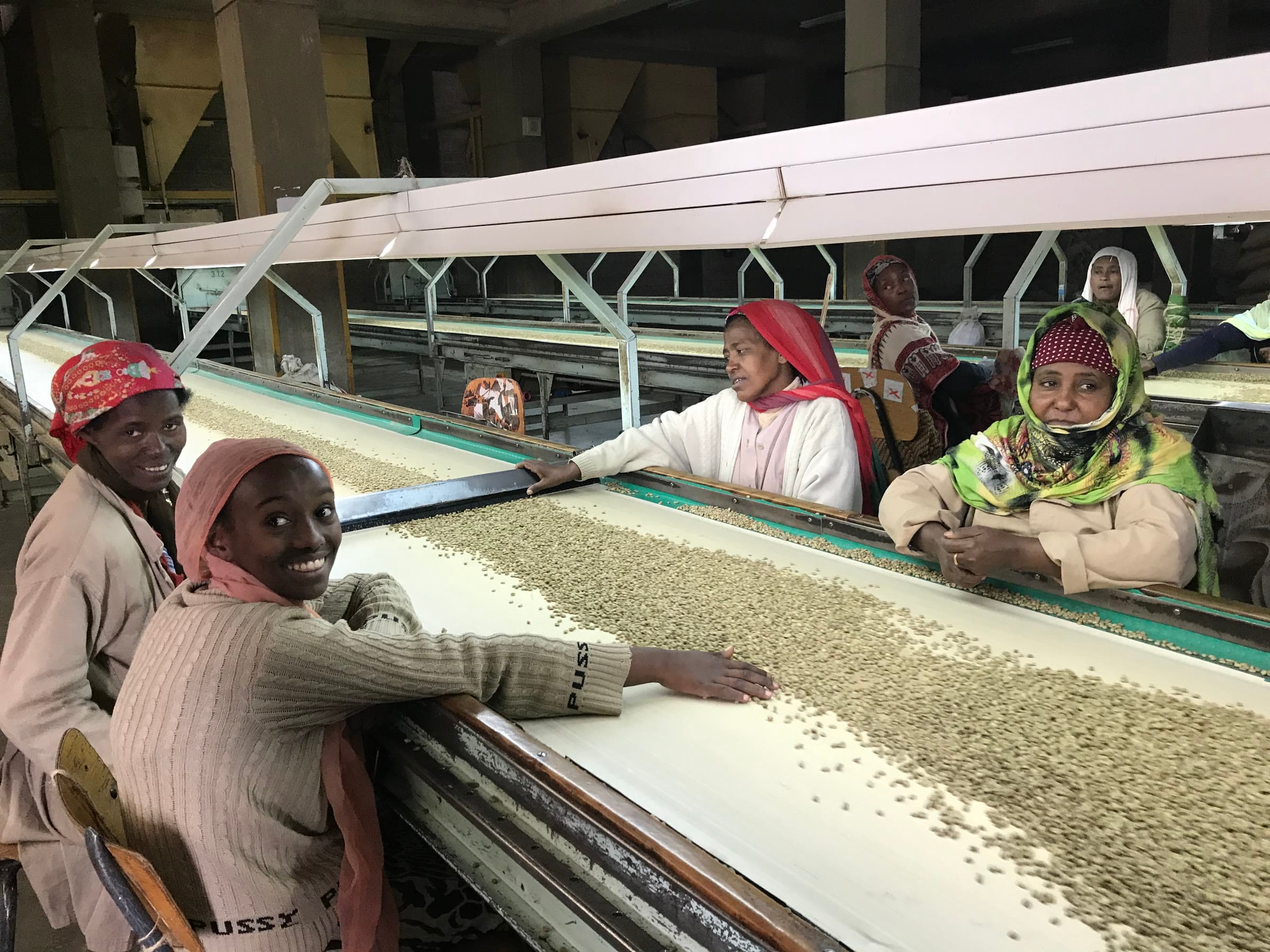
Sidama and Guji are distinct coffee geographies in southern Ethiopia. Ethiopian research collections treat them as separate sources of germplasm, alongside Gedeo, Amaro, Gamo Gofa, Jinka, and other areas. That makes the regional name meaningful information about where a coffee comes from.
It does not make Sidama synonymous with jasmine or Guji synonymous with strawberry. Each contains multiple districts, elevations, farms, plant populations, stations, seasons, and post-harvest practices. Research in southern Ethiopia has found variation among genotypes and environments, which is the opposite of a fixed regional flavor rule.
The best use of geography is to narrow the field. Country becomes region; region may become zone, district, station, cooperative, or farm when the supply chain can support it. Each added level gives the drinker more context, but none removes the need to taste the individual coffee.
06 / PROCESS ADDS ANOTHER DIMENSION
Washed and natural describe handling, not identity.
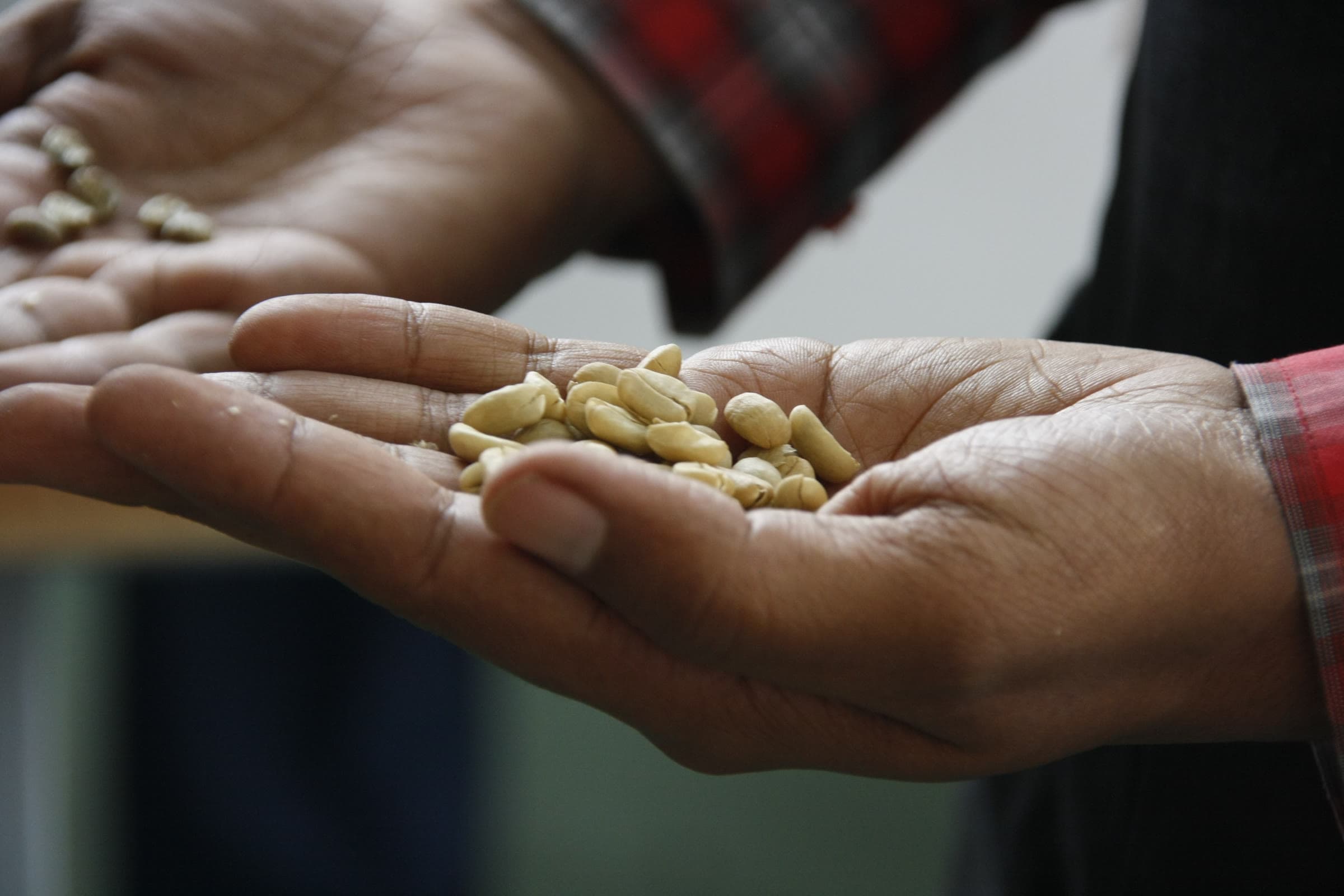
In washed processing, the fruit skin and most mucilage are removed before the parchment coffee is dried. In natural processing, the whole cherry dries around the seed before hulling. The difference changes where fermentation occurs and how the seed responds during drying.
That makes process useful on a bag. It can help a drinker compare two coffees from the same country or region. It still cannot carry the full explanation. Fruit maturity, plant material, temperature, microbes, drying rate, storage, roasting, and brewing all affect what reaches the cup.
The familiar contrast—washed is floral and clean, natural is fruity and heavy—may describe some coffees. It cannot define the categories. A carefully handled natural can be delicate; a washed coffee can be full and fruit-saturated. Read the process beside the producer’s or roaster’s specific notes, not in place of them.
07 / READING RED CLAY
Jasmine Air and Blue Hour create a deliberate contrast.
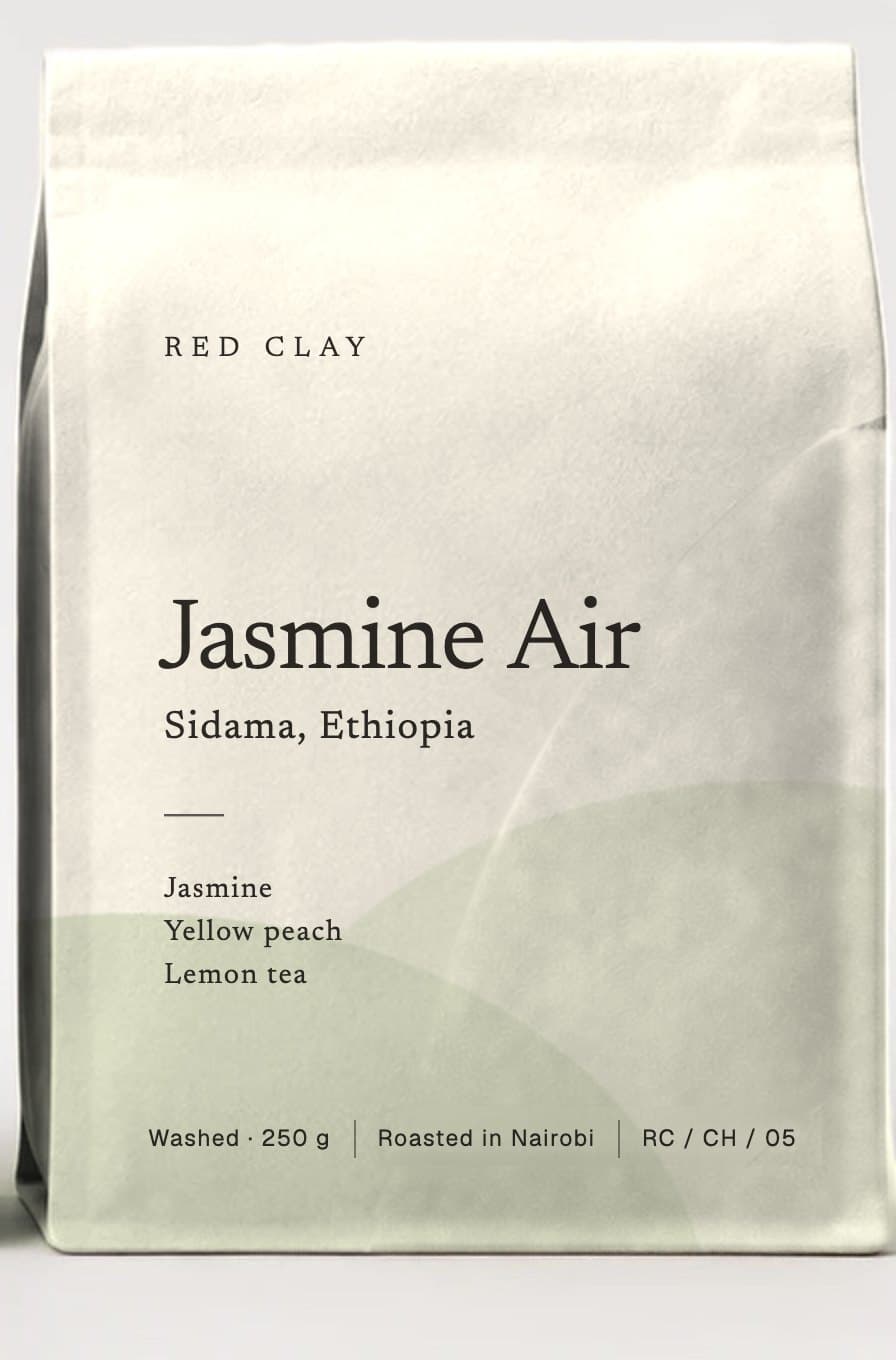
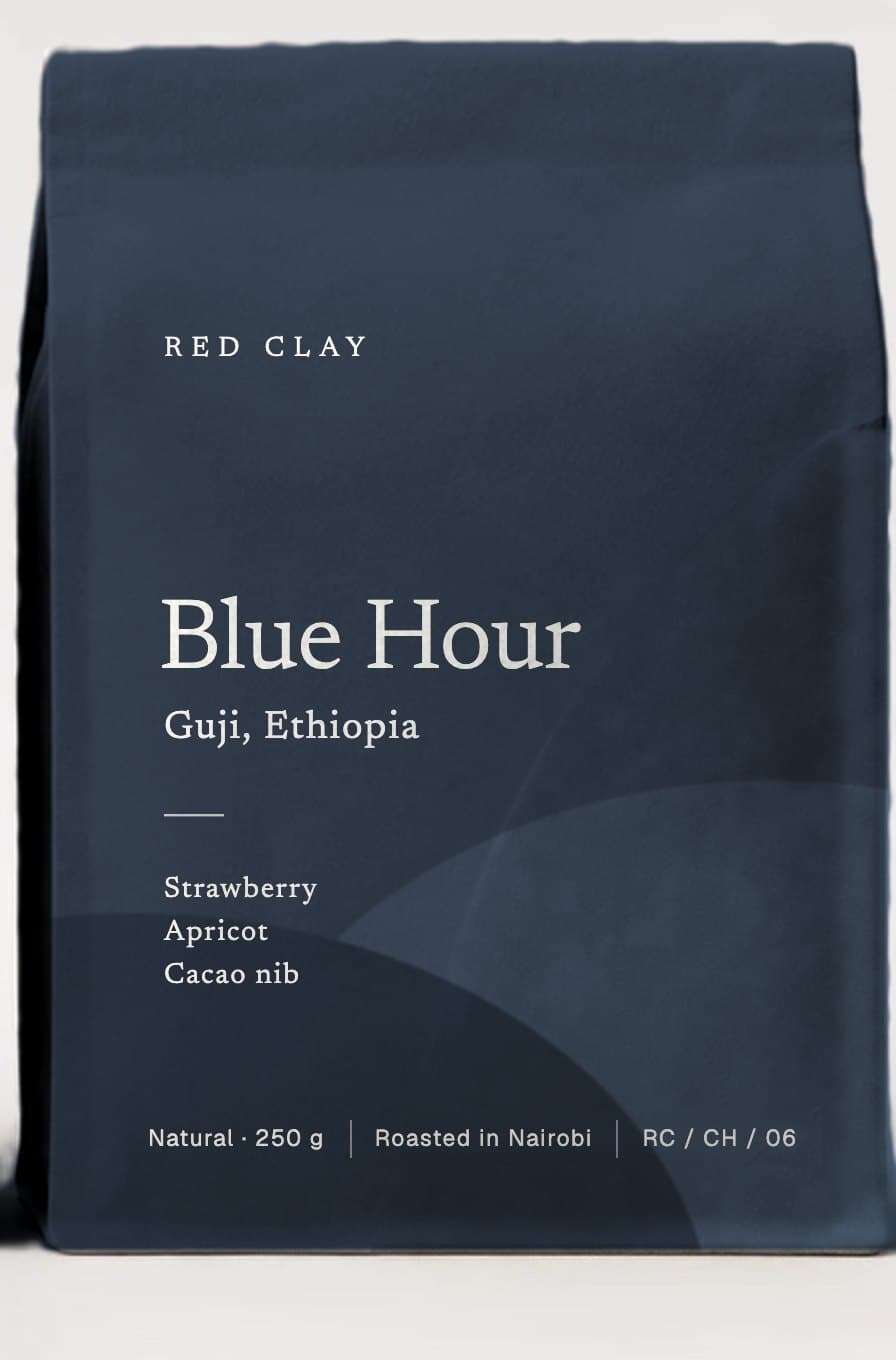
Jasmine Air, from Sidama, is Red Clay’s lighter Ethiopian profile: jasmine, yellow peach, and lemon tea. Blue Hour, from Guji, is the rounder one: strawberry, apricot, and cacao nib. Place changes, process changes, and the intended sensory direction changes with them.
The pair is useful because it does not ask “heirloom” to explain either coffee. Sidama and Guji locate them at a regional level. Washed and natural describe the broad post-harvest route. The tasting notes help a visitor choose between Red Clay’s two profiles. Exact variety detail should enter only when the coffee can support it.
This is a product comparison, not evidence that Sidama must be floral or Guji must be fruit-driven. Reverse examples exist, and new harvests will continue to resist a neat two-column rule.
08 / WHAT TO LOOK FOR ON A BAG
Use four fields, and notice what each leaves open.
Start with place. Country and region are useful; a more local station, cooperative, community, or farm can add context when it is supported. Next, read the variety field literally. A named variety, local selection, landrace group, mixed planting, or unspecified variety are different levels of information.
Then read process. Washed, natural, honey, and newer fermentation terms should tell you something about fruit removal and drying, but the word alone does not certify quality. Finally, use tasting notes as sensory references from the roaster. They describe resemblance and direction, not ingredients added to the coffee.
If a bag says heirloom, treat it as an invitation to ask what is known underneath: local landraces, named farmer selections, research varieties, a mixture, or simply incomplete identification. The answer may still be broad. What matters is that the language does not pretend to be narrower than the evidence.
One convenient word once helped the coffee trade speak about complexity it had not fully named. Better information now allows a more useful habit: keep the complexity, lose the false certainty, and let each coffee tell a more specific story.